Nueva Jersey, MetLife Stadium — julio de 2026.
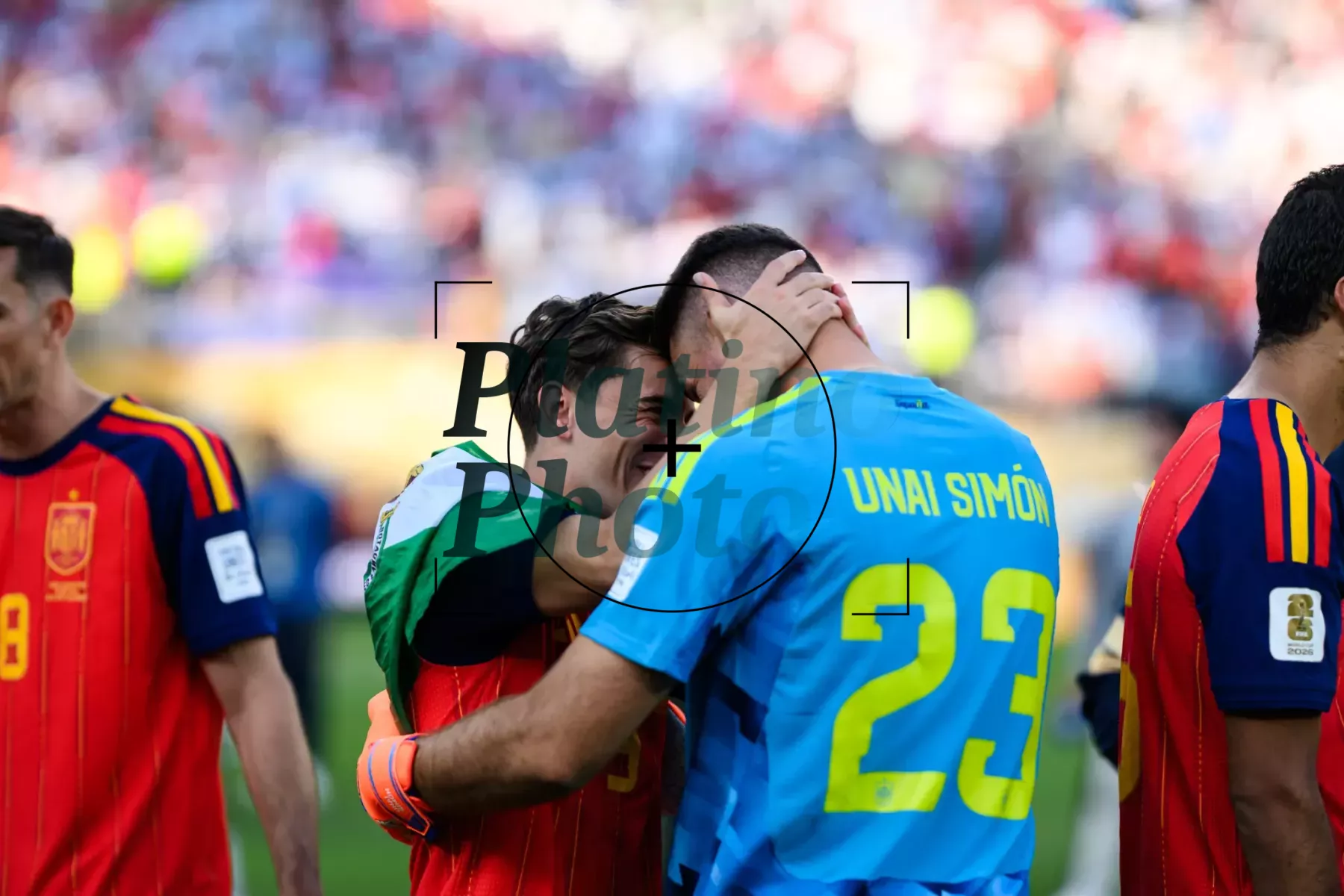
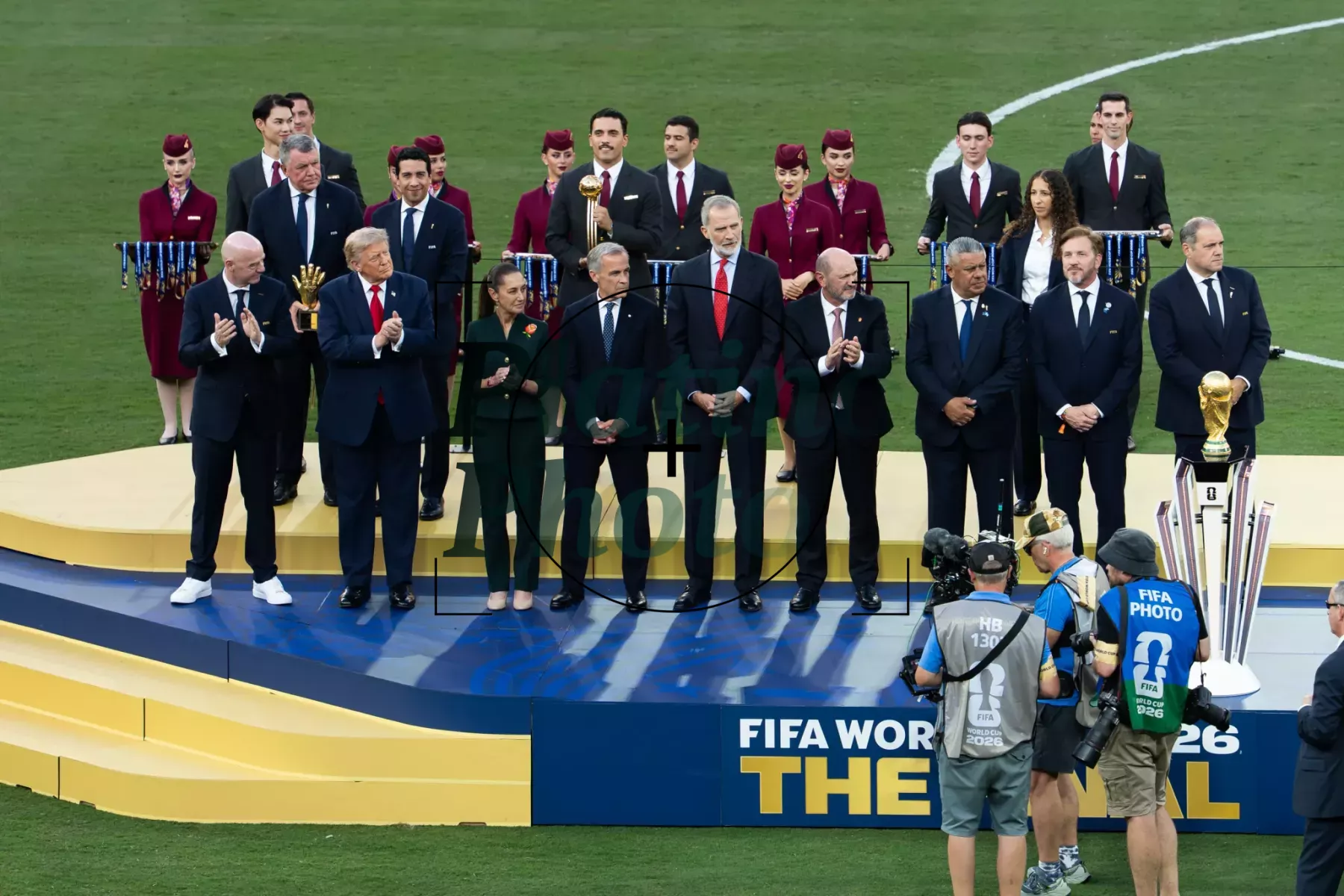
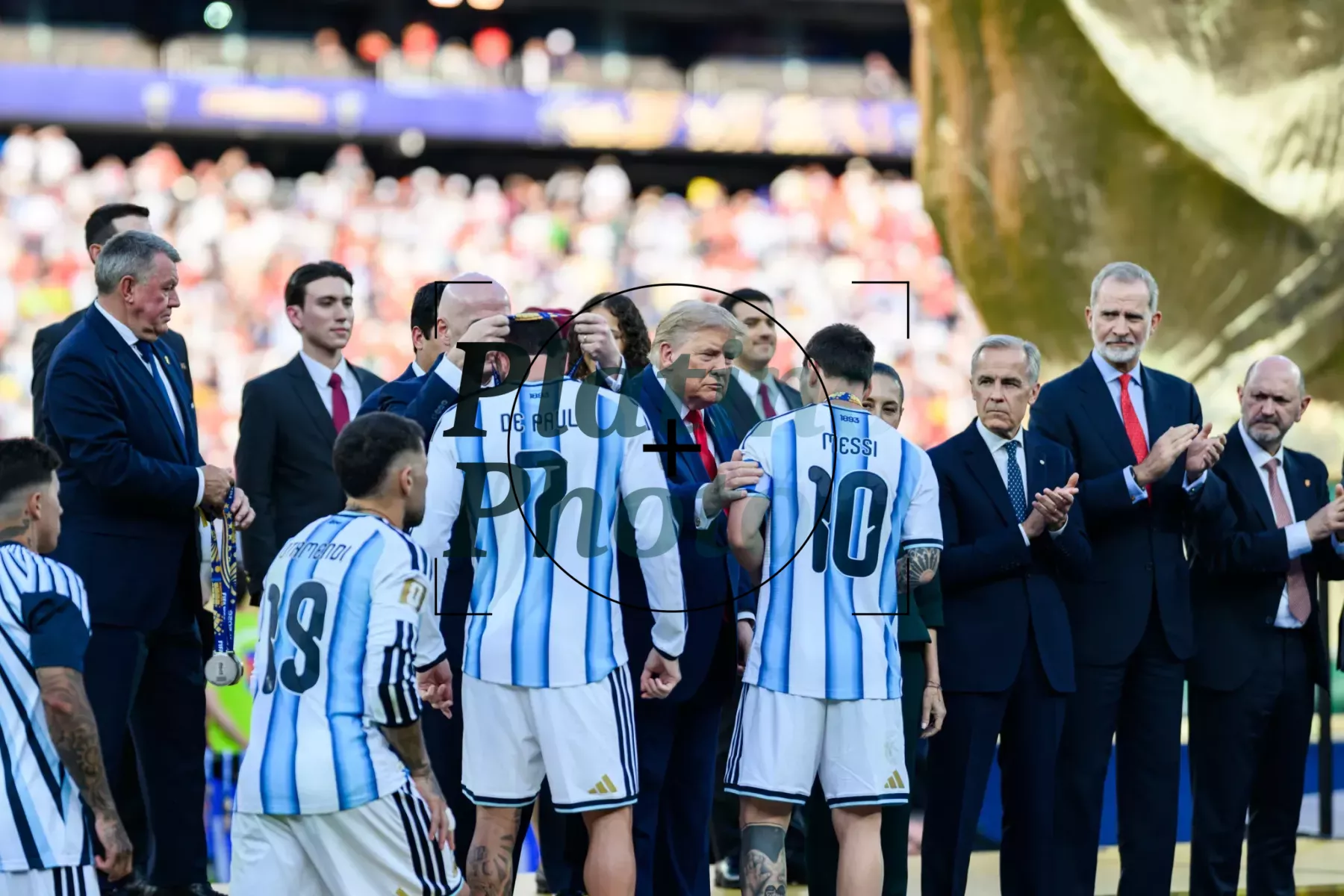
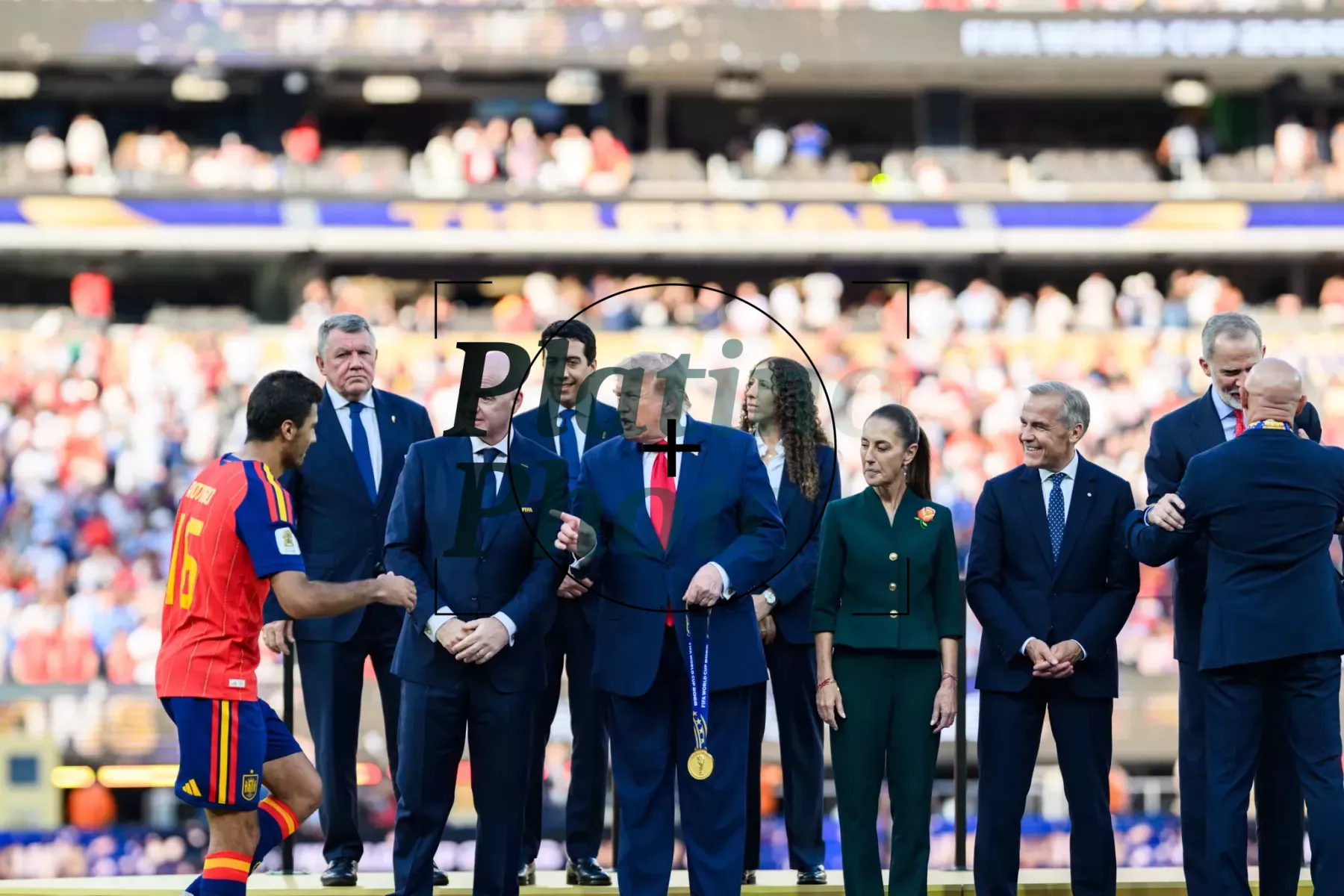
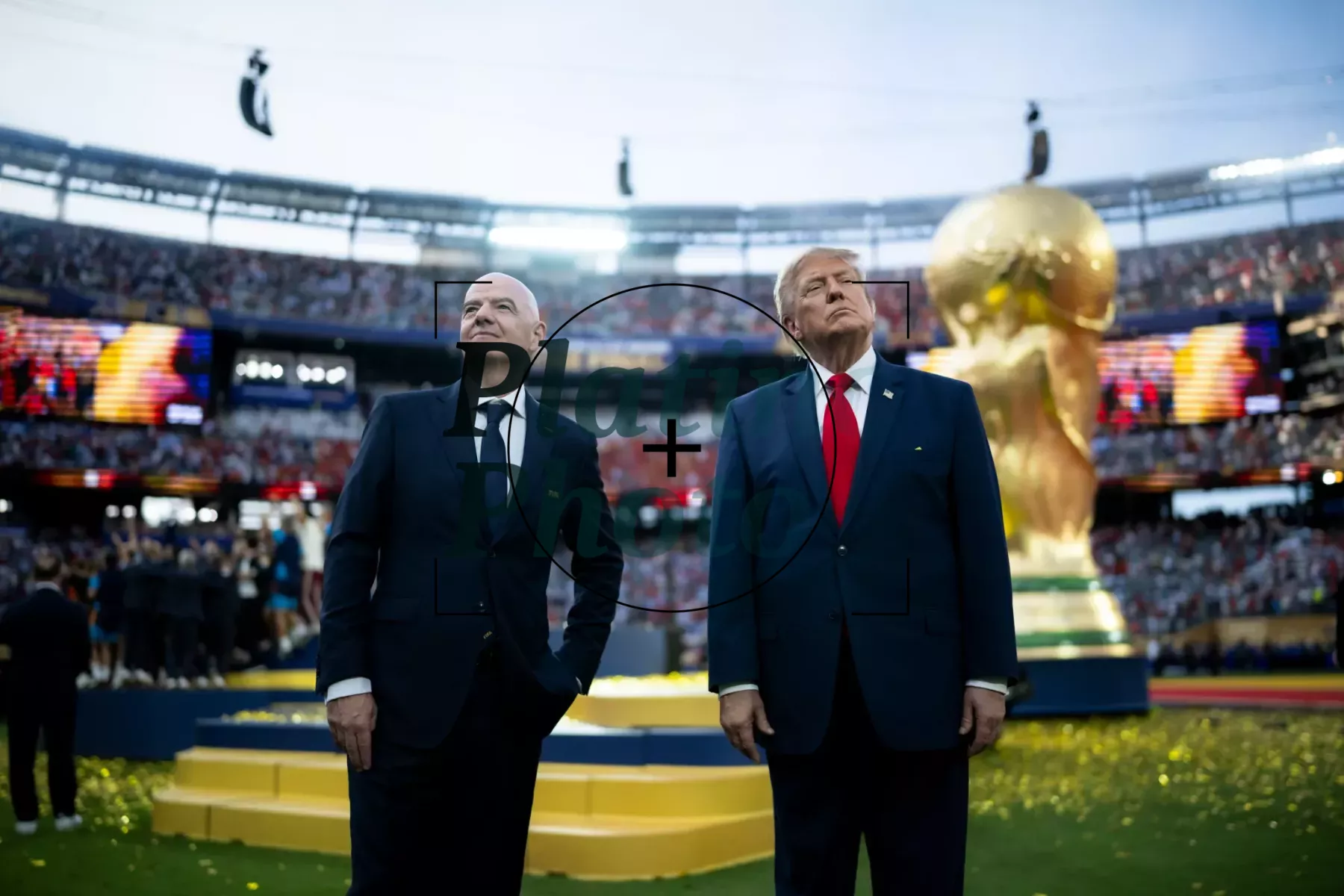
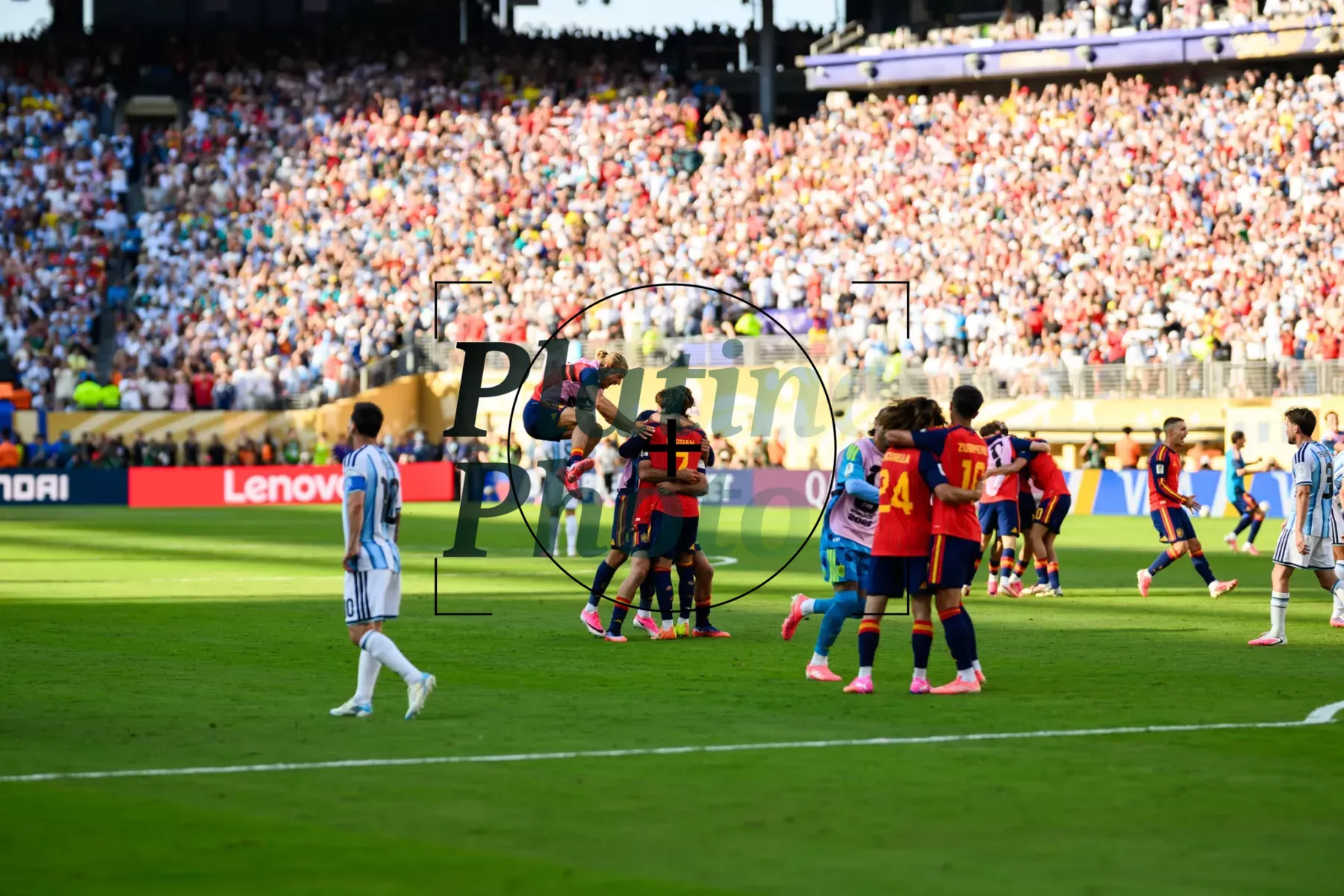
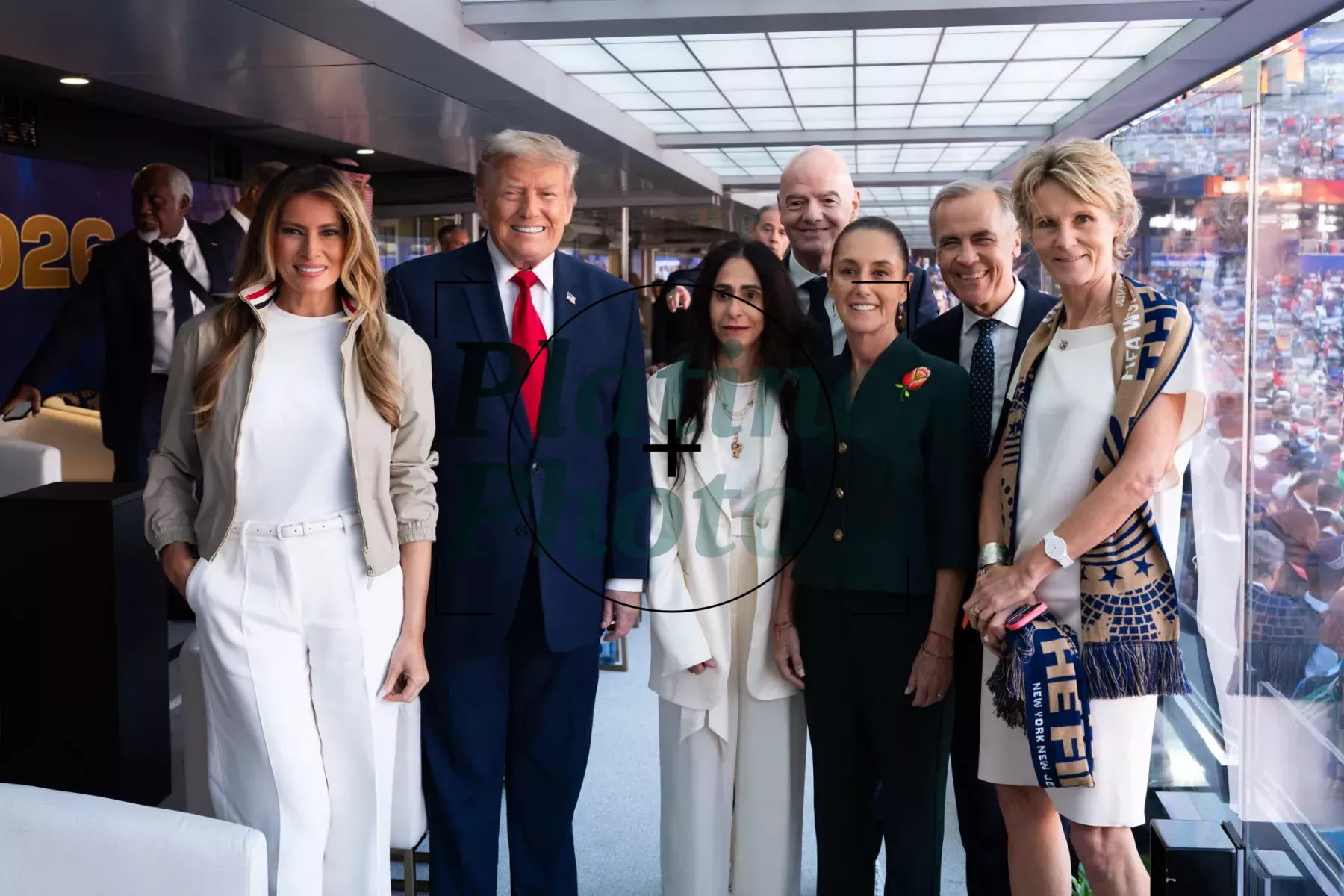
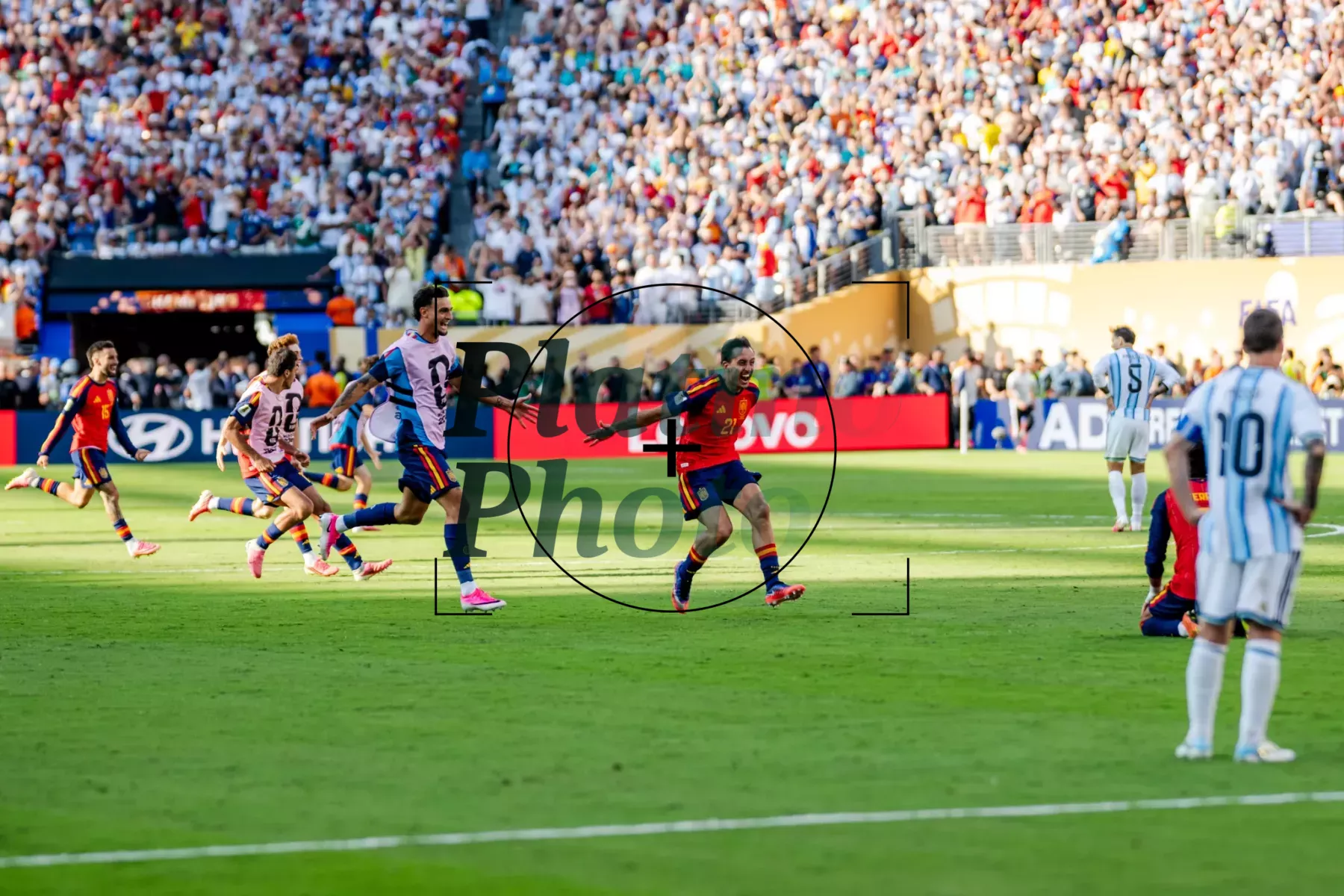
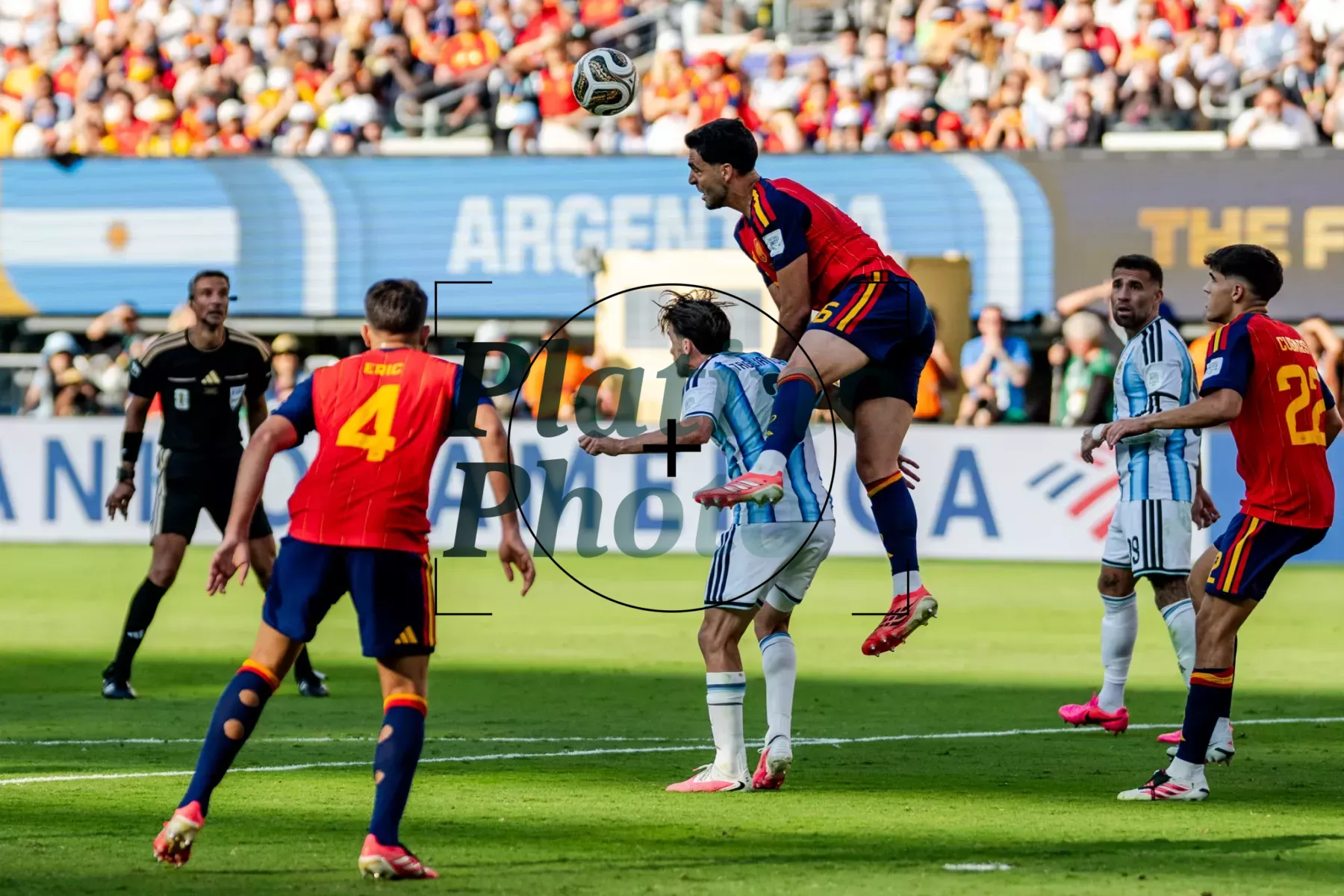
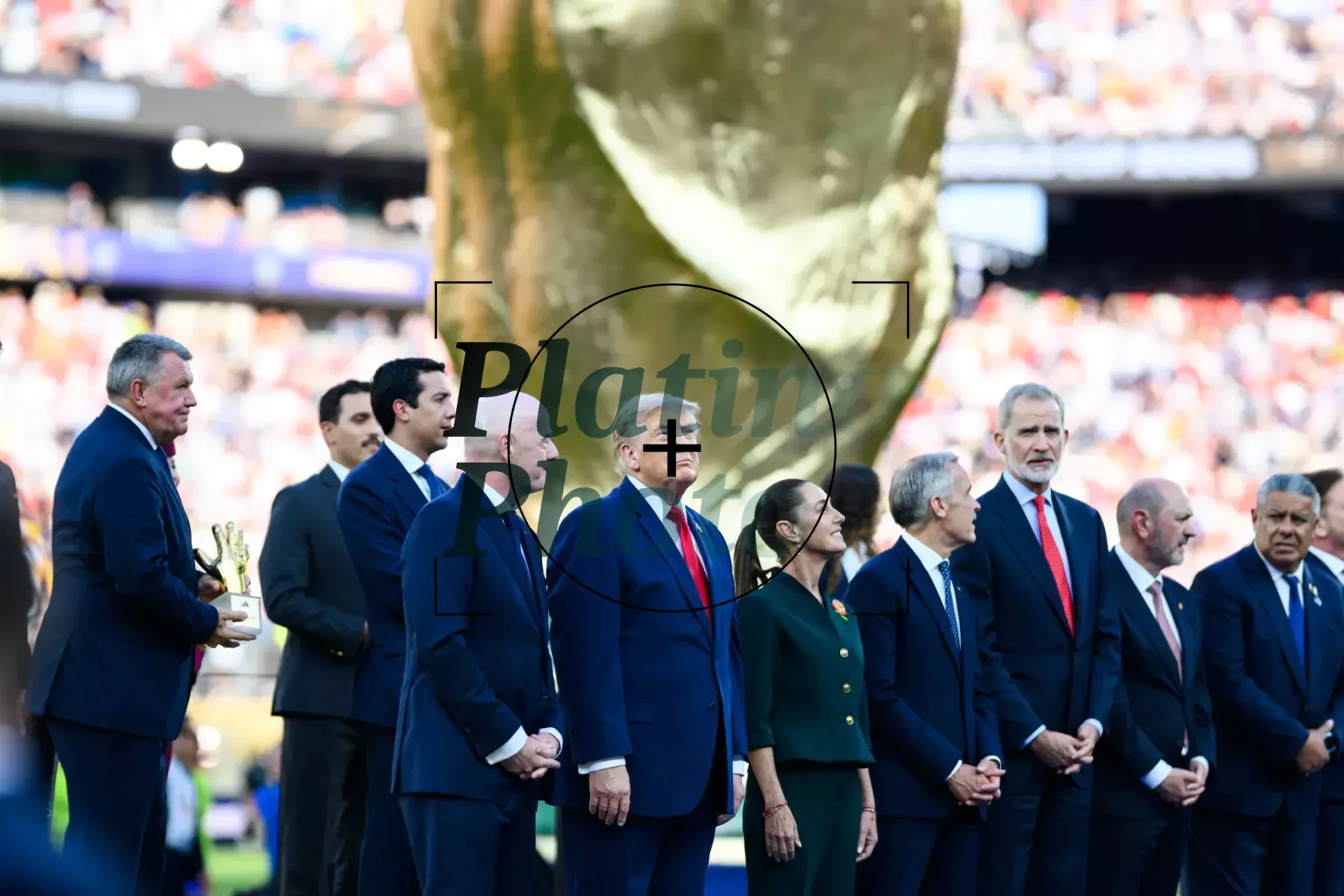
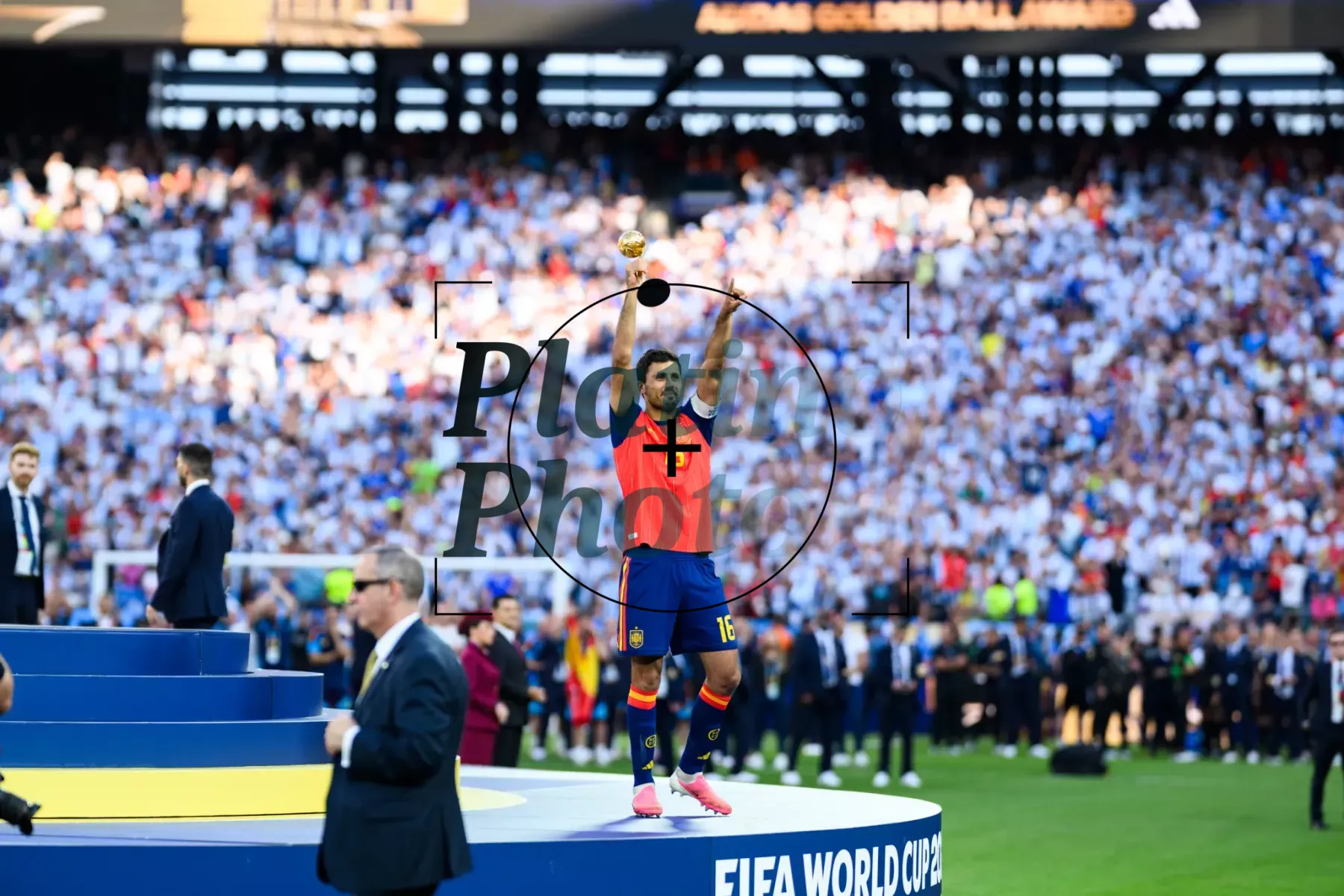
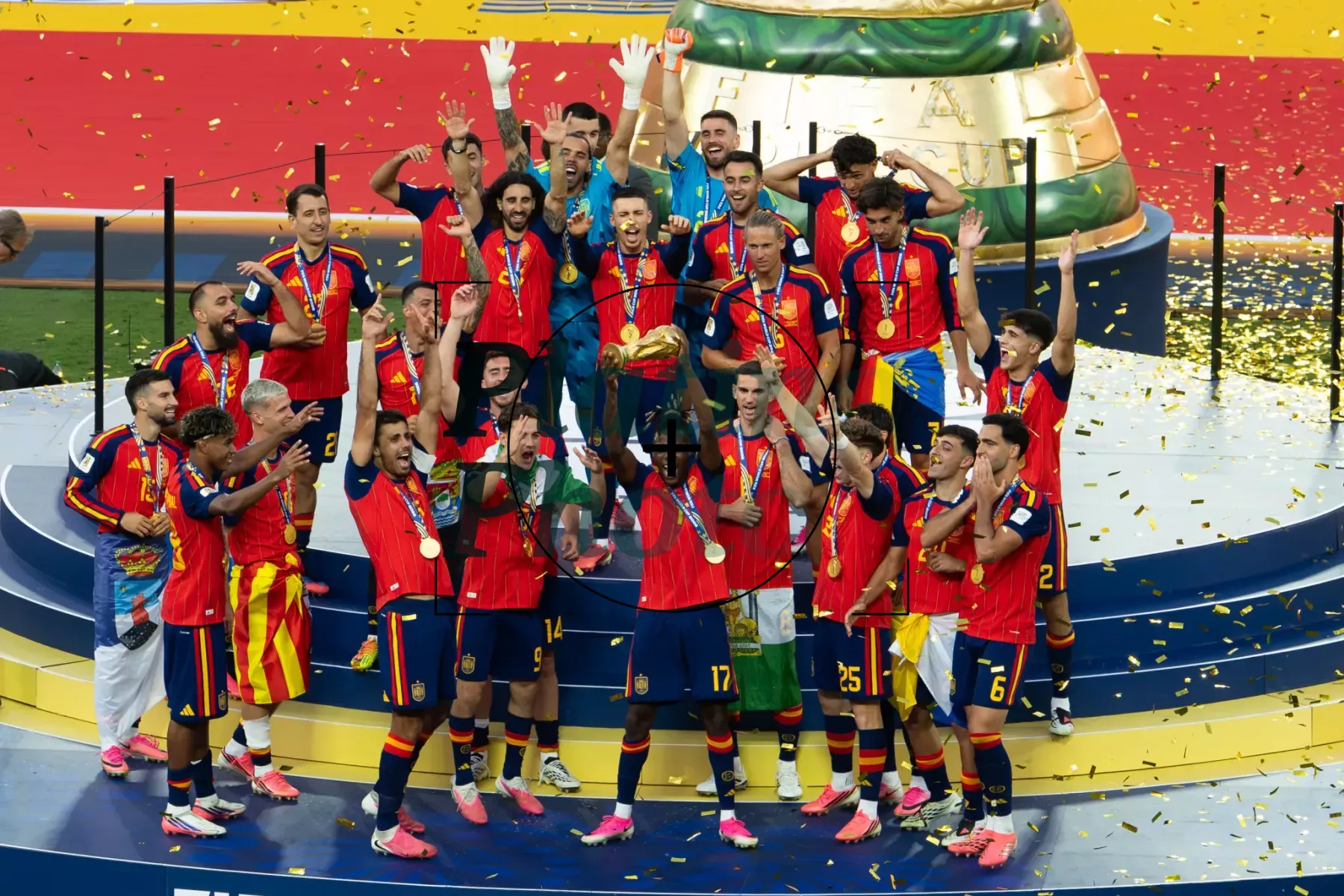
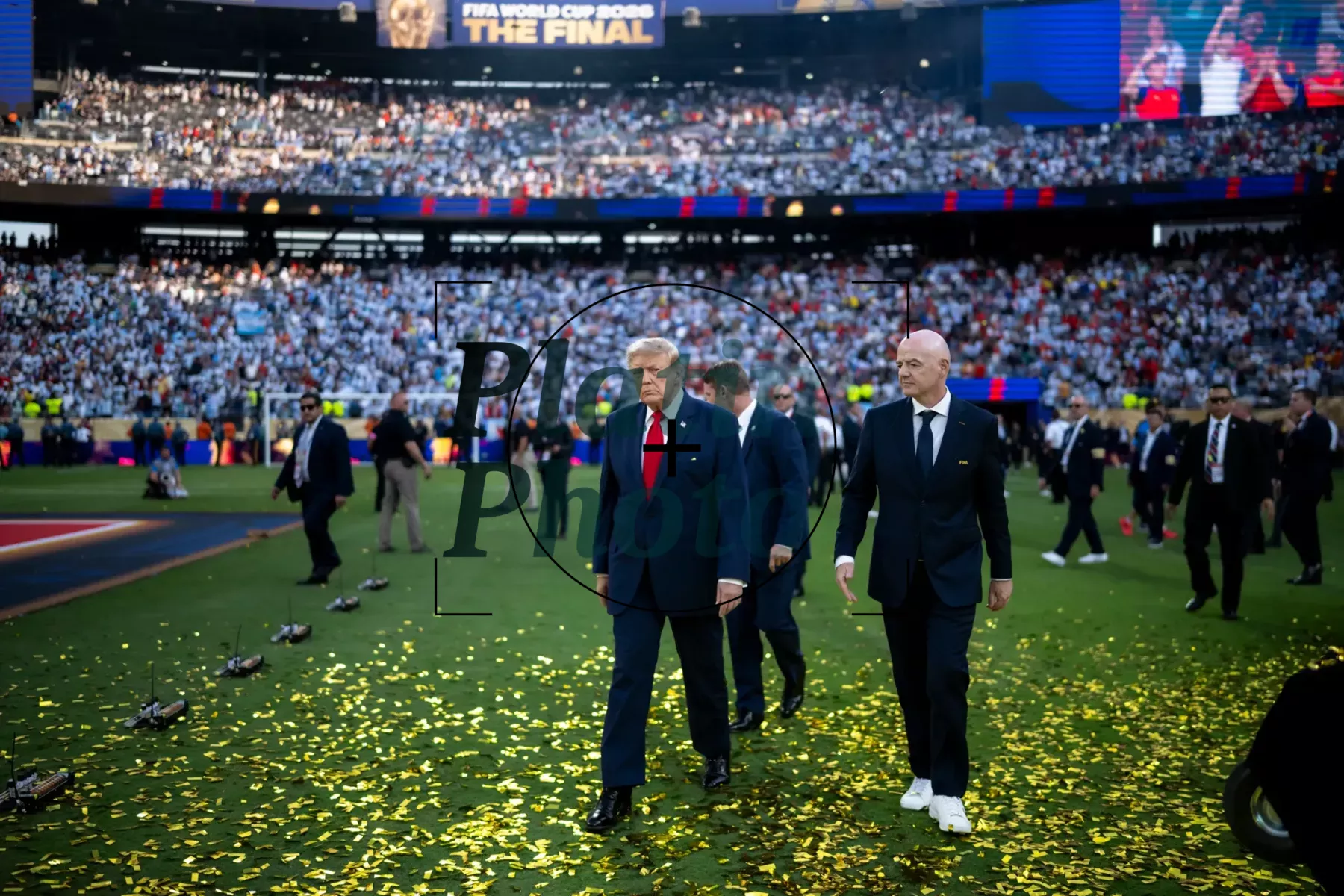
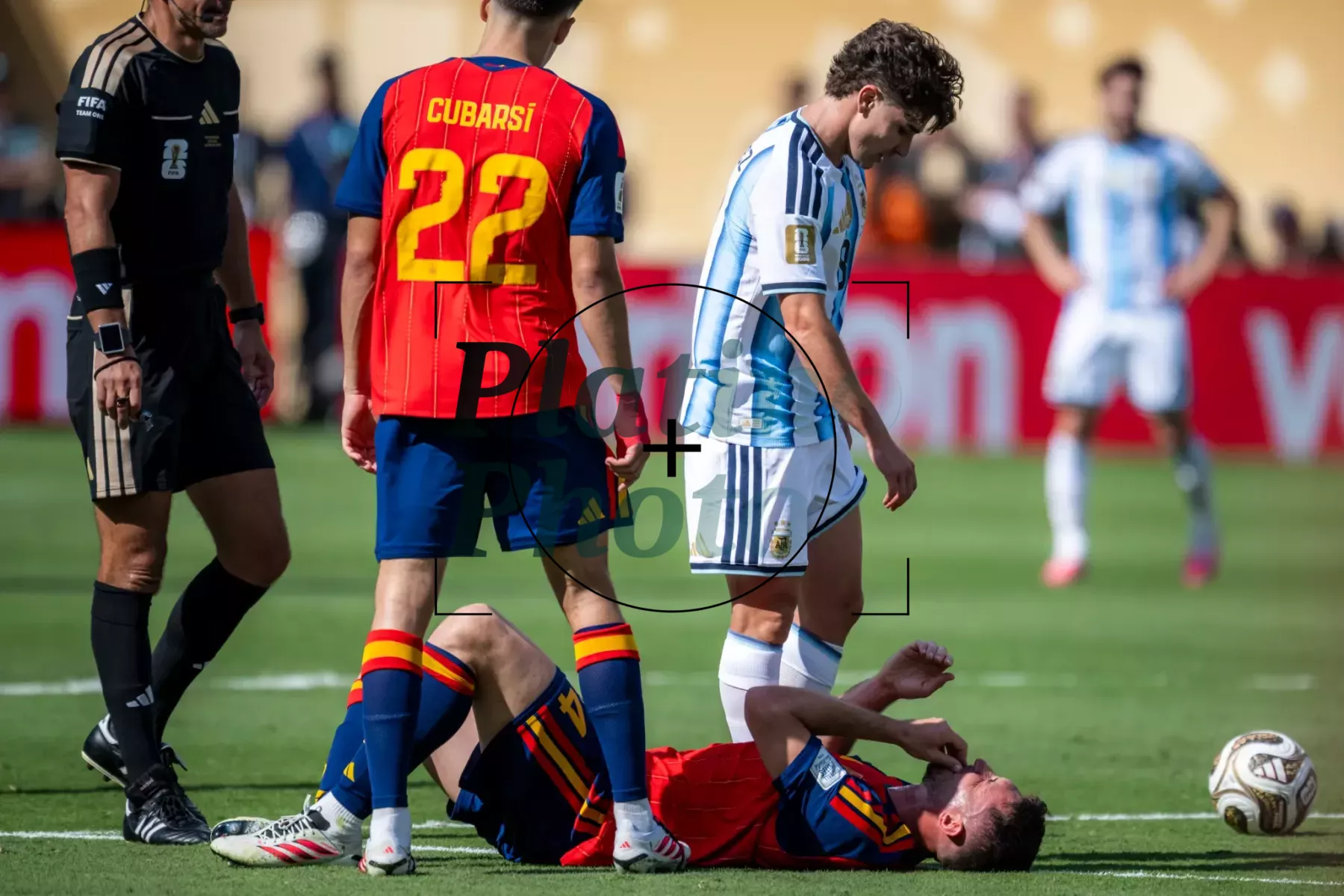
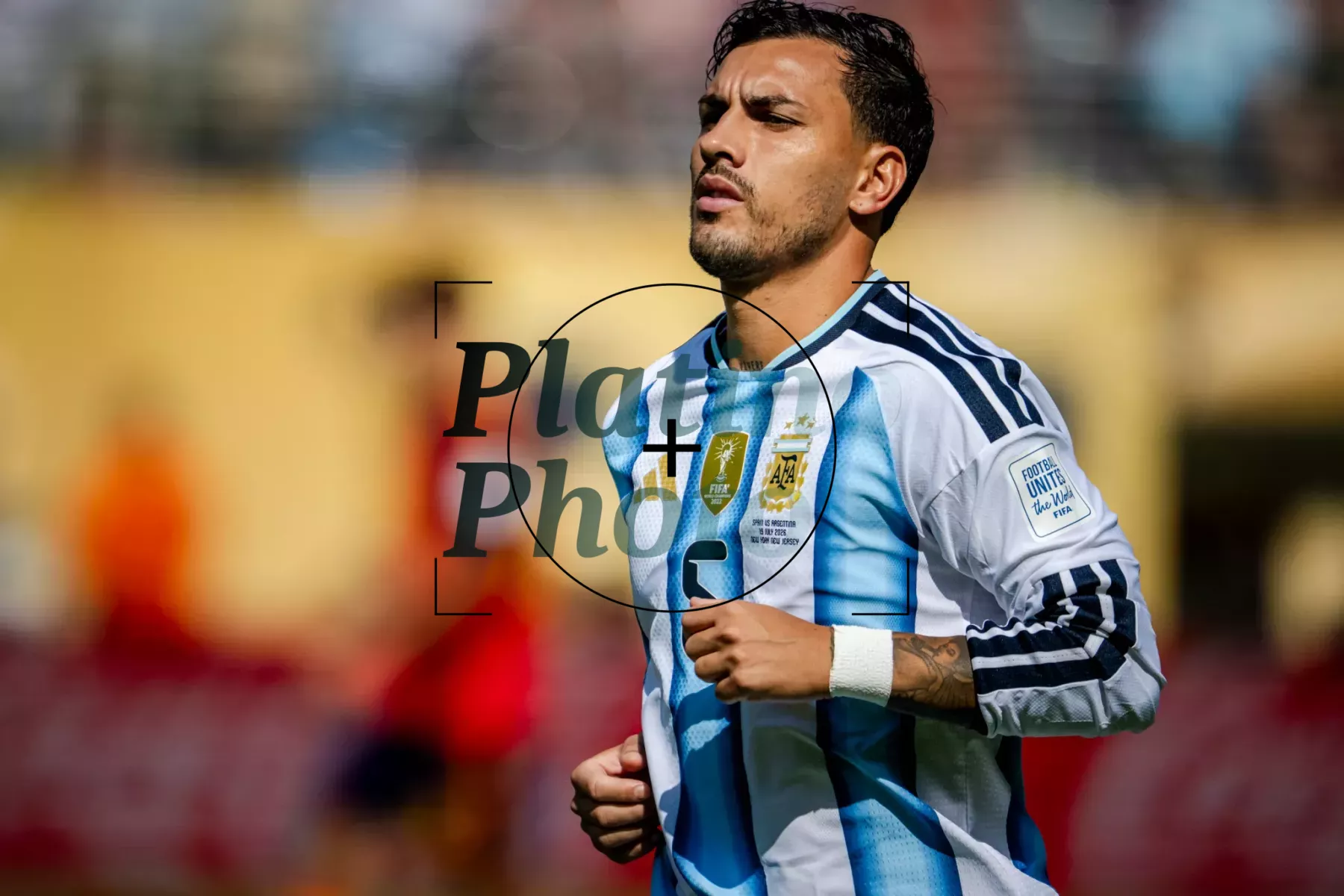
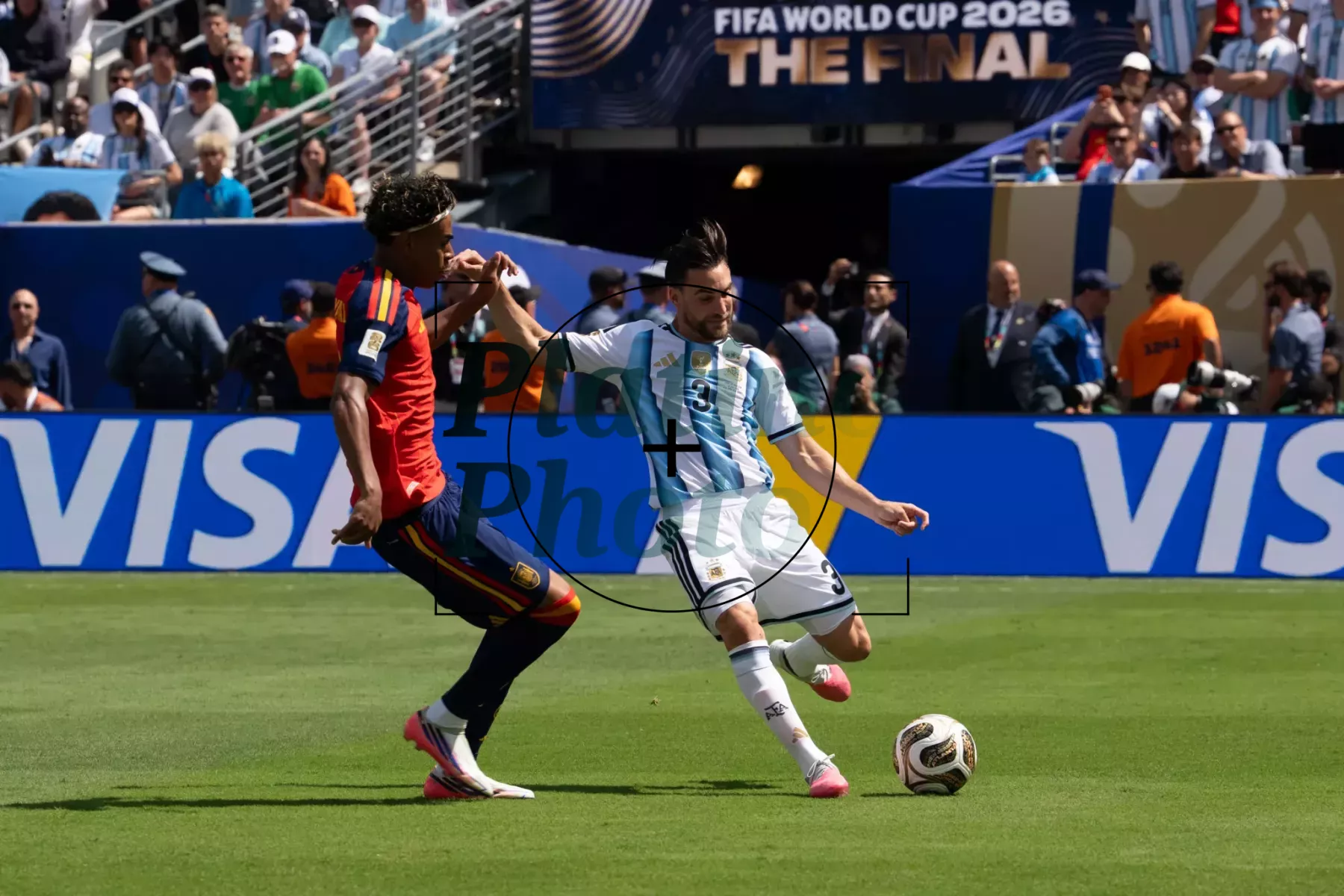
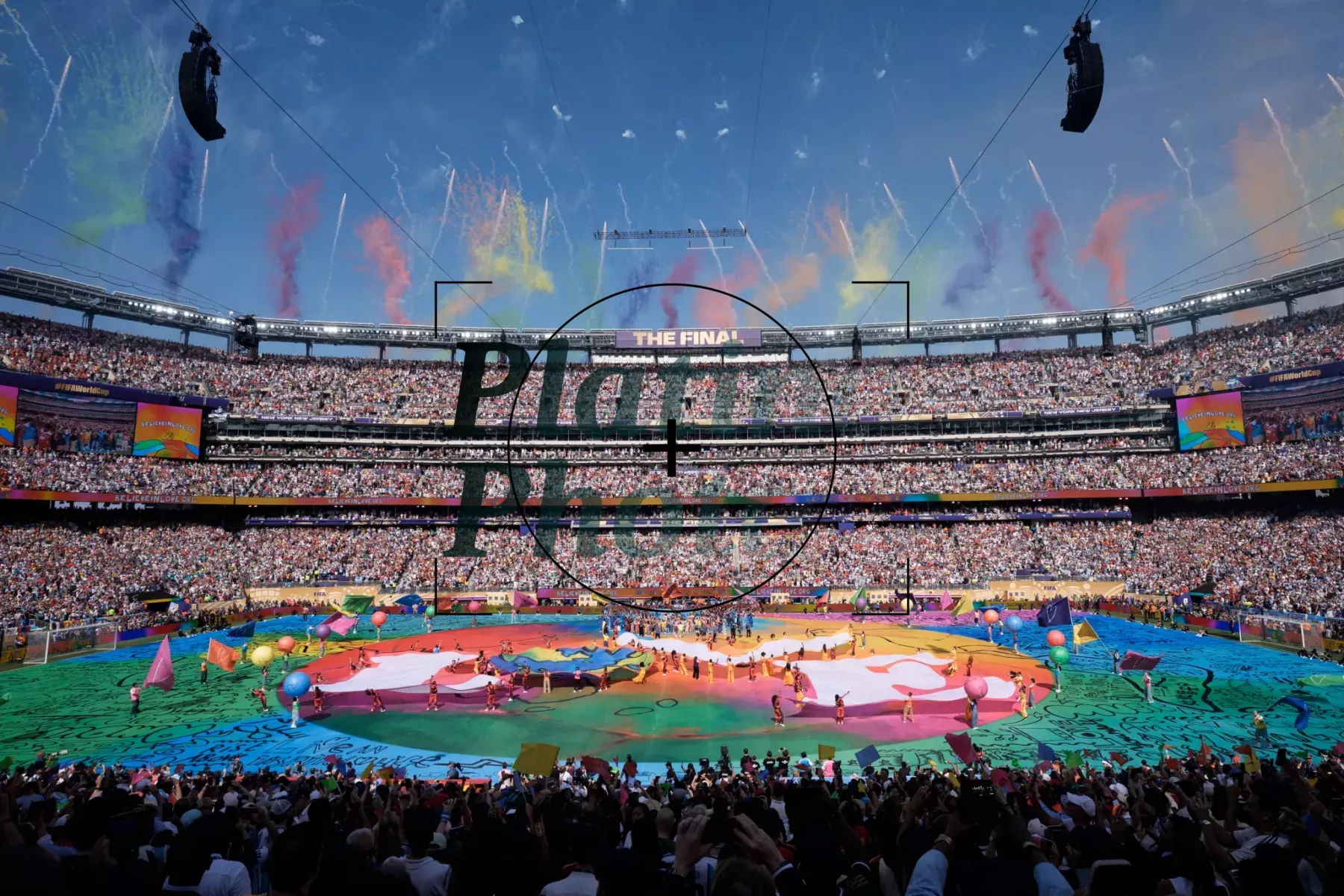
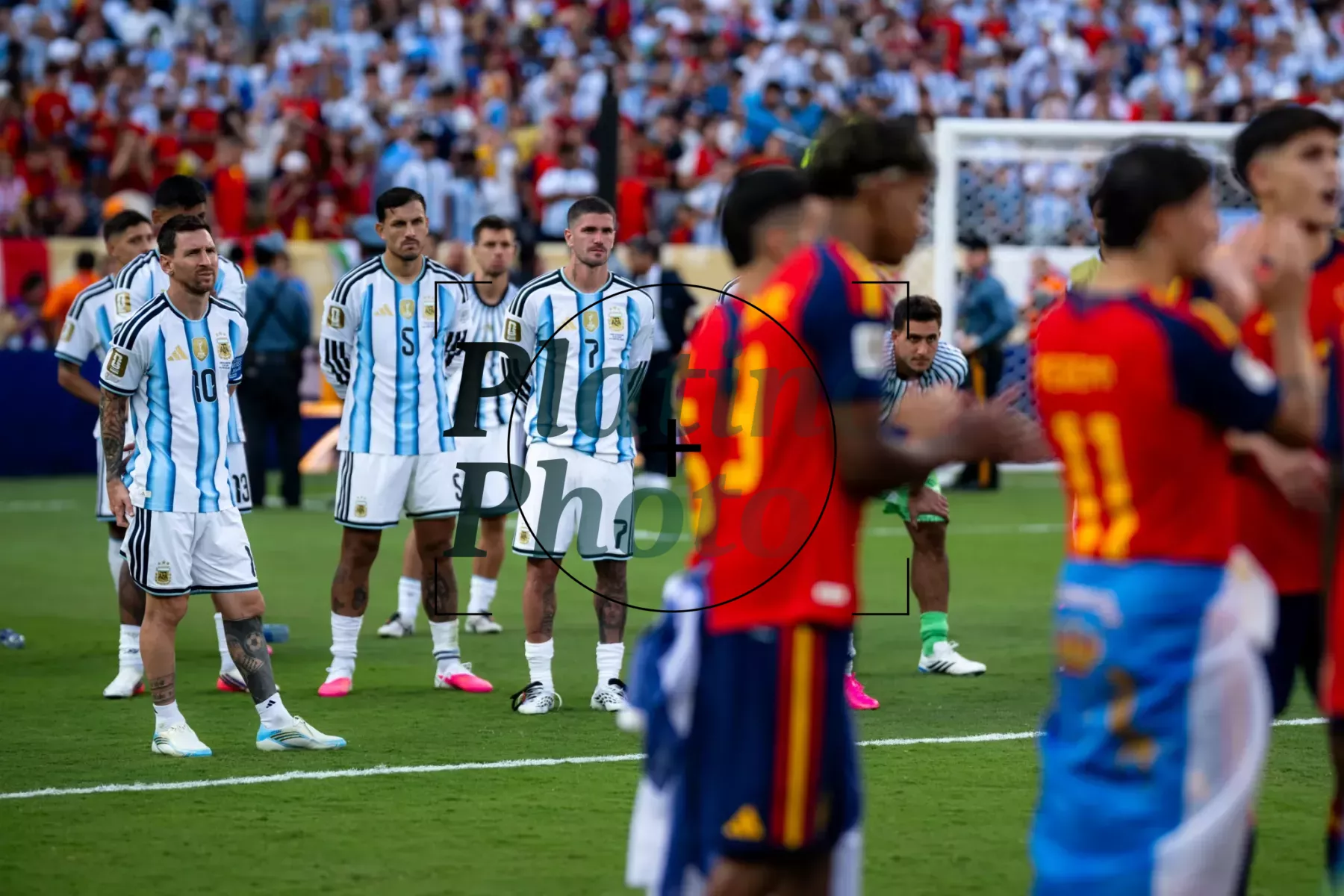
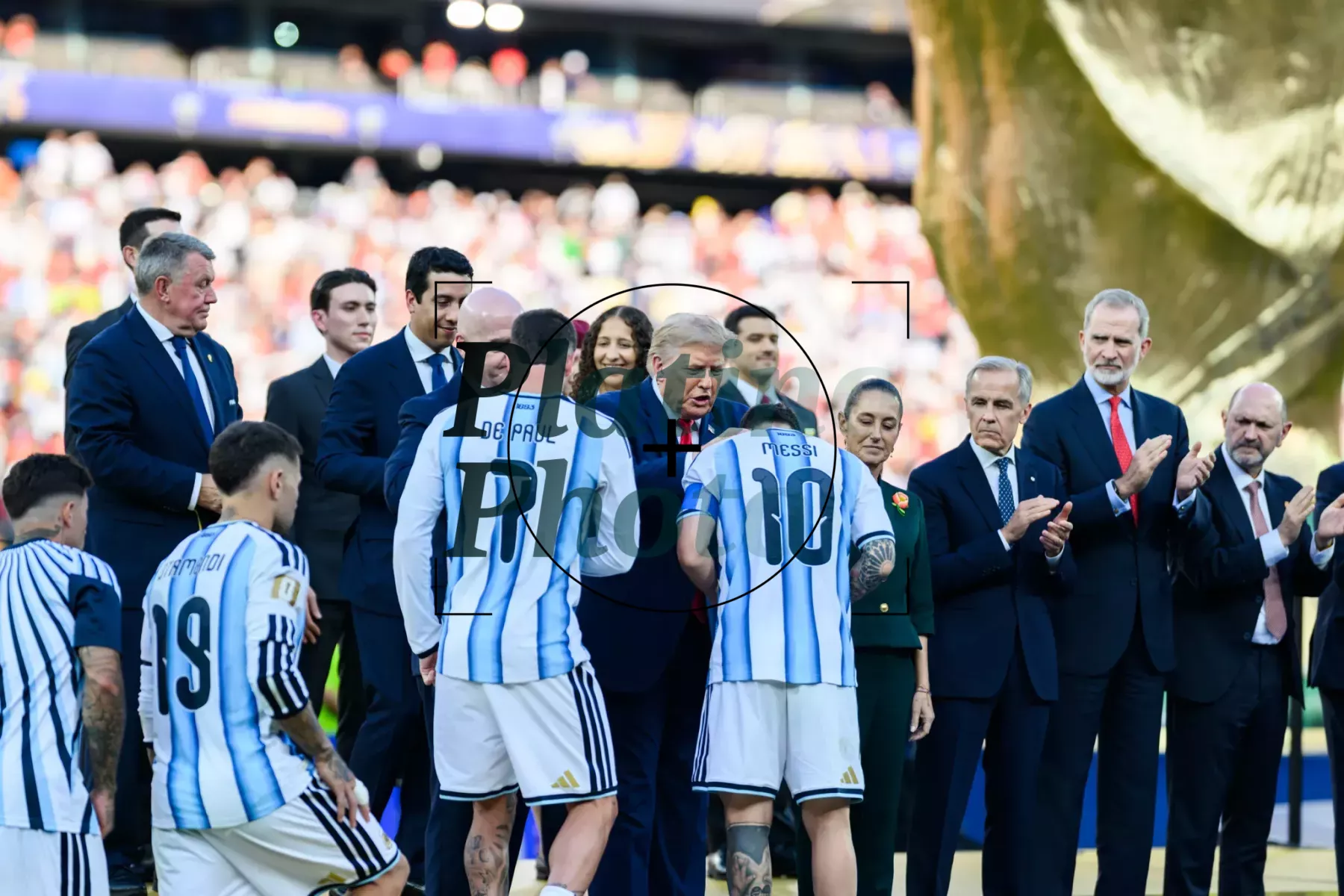
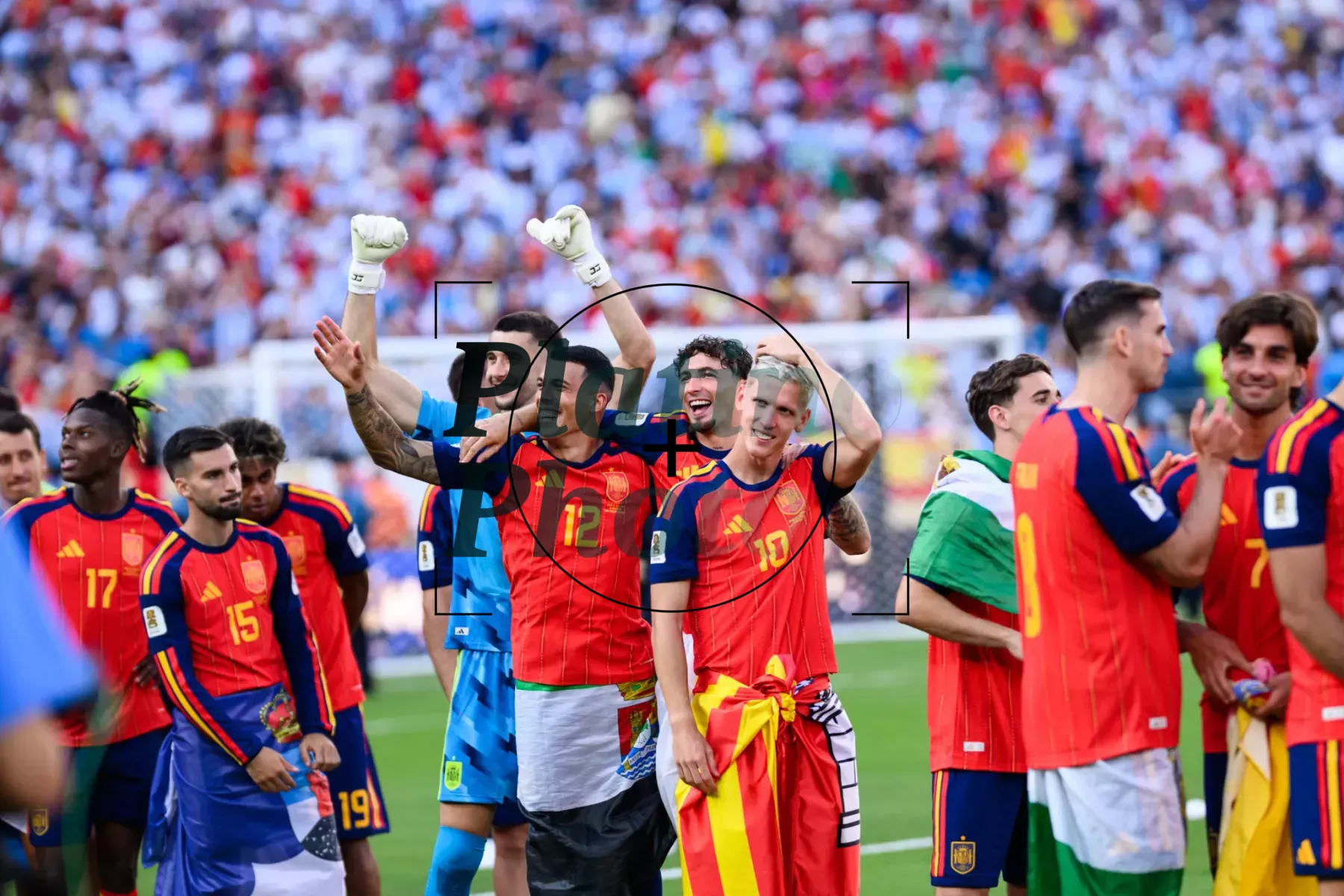
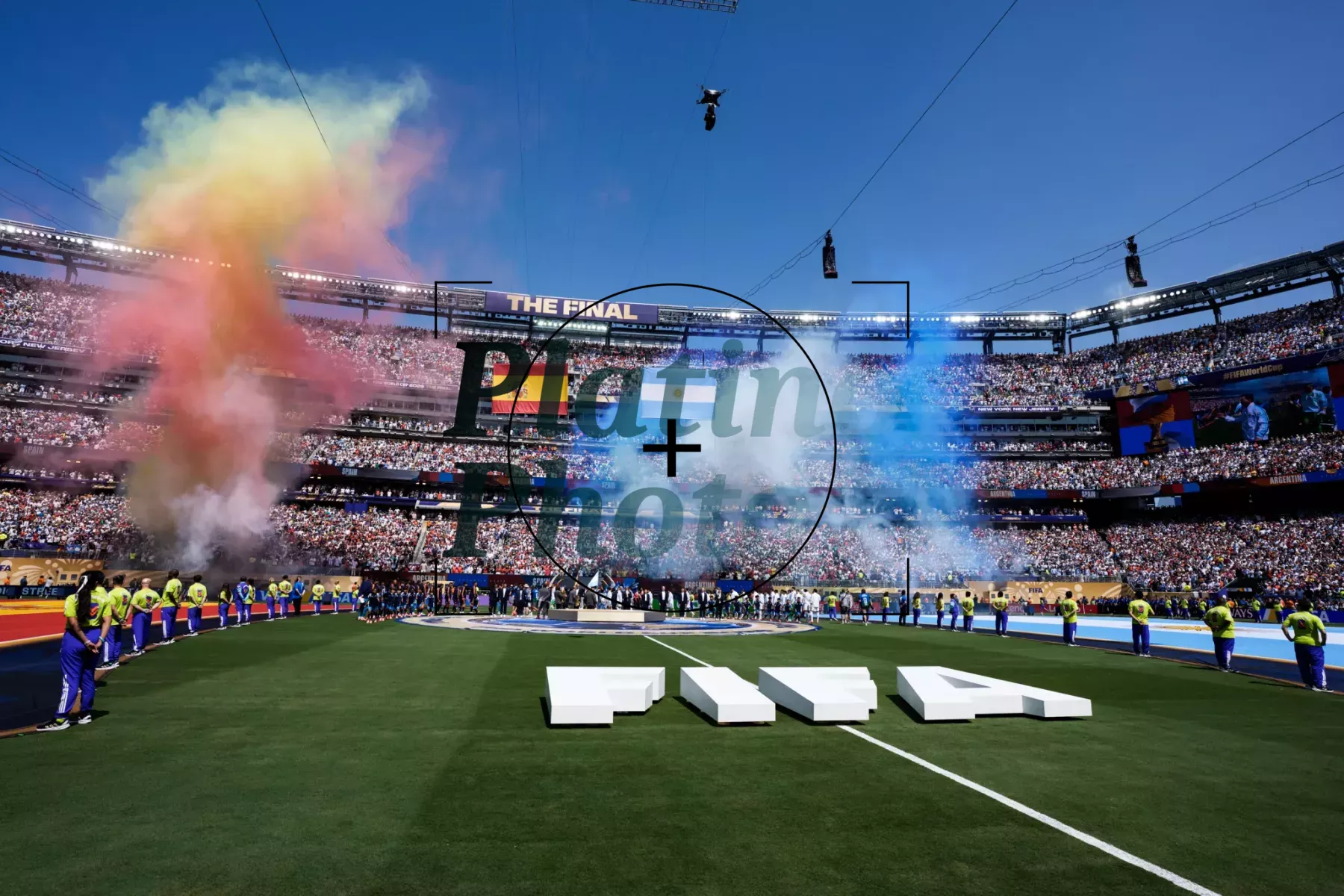

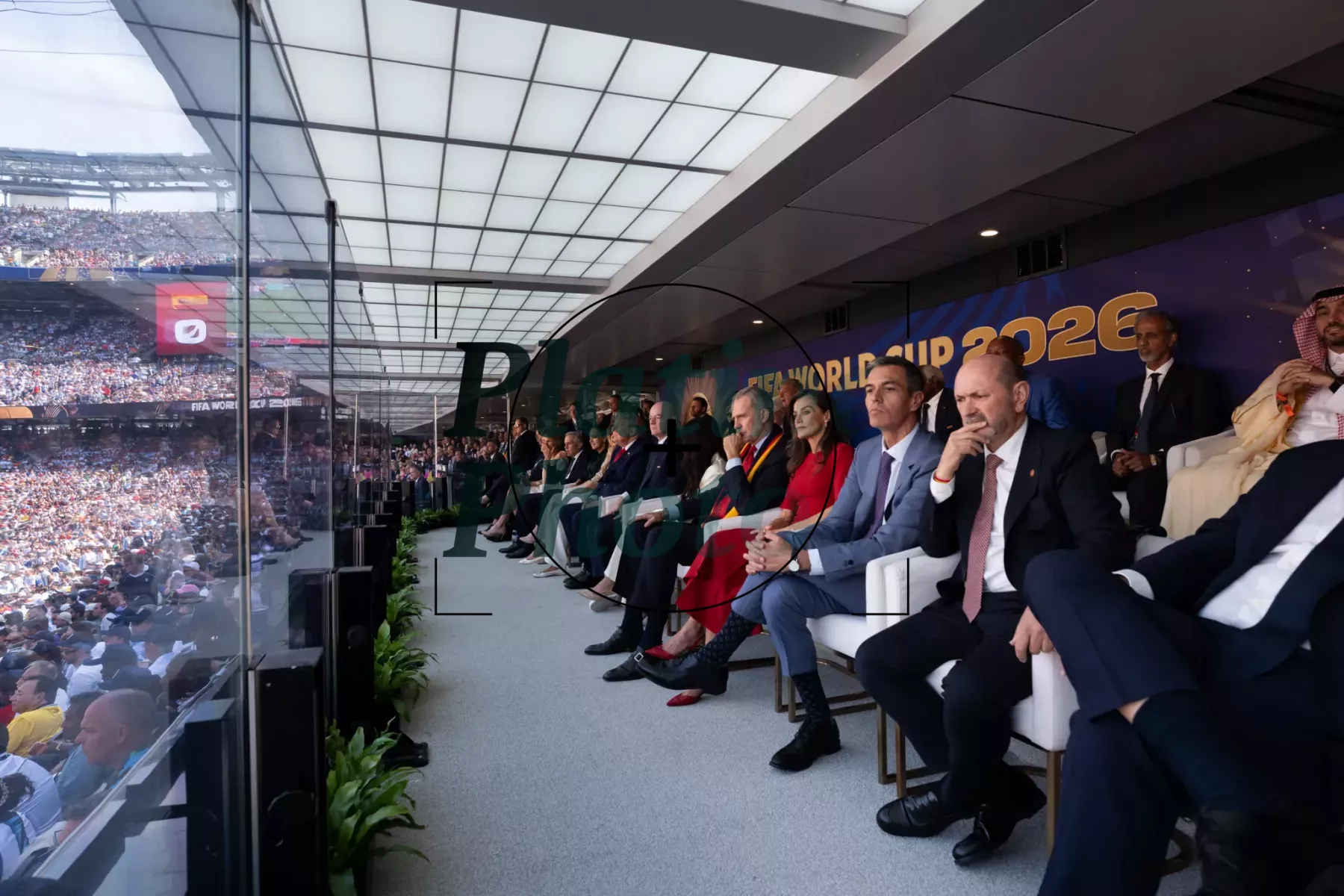

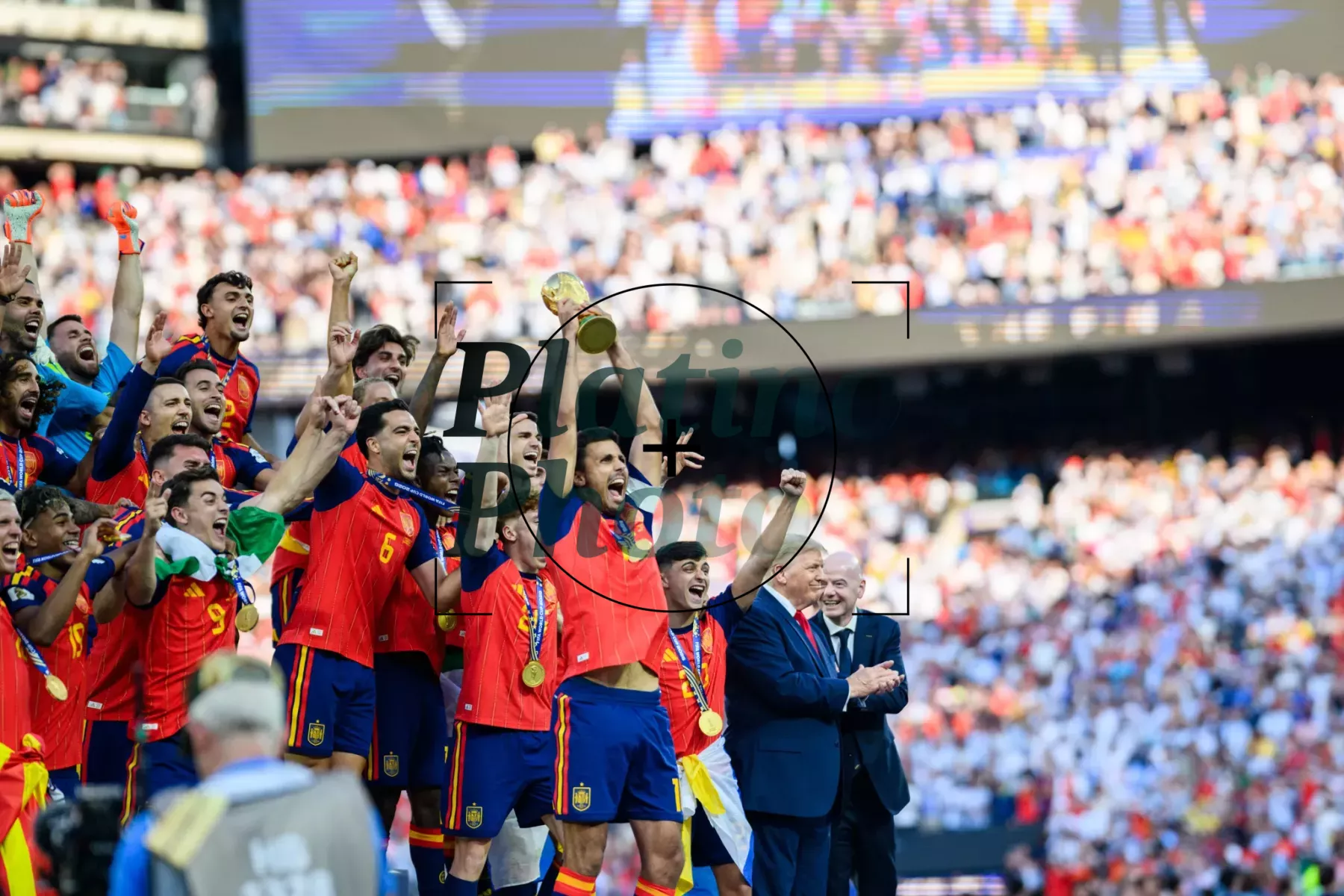
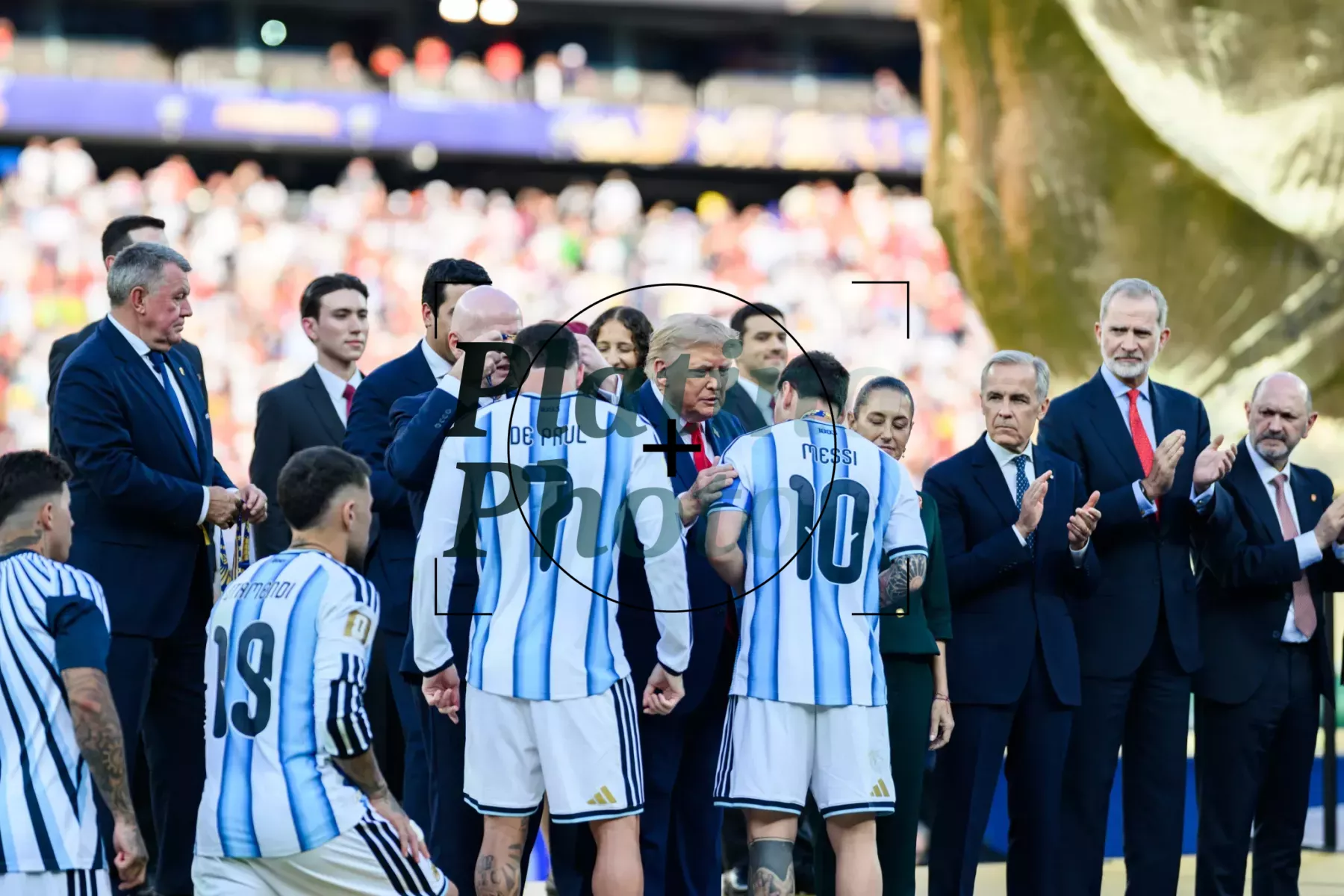
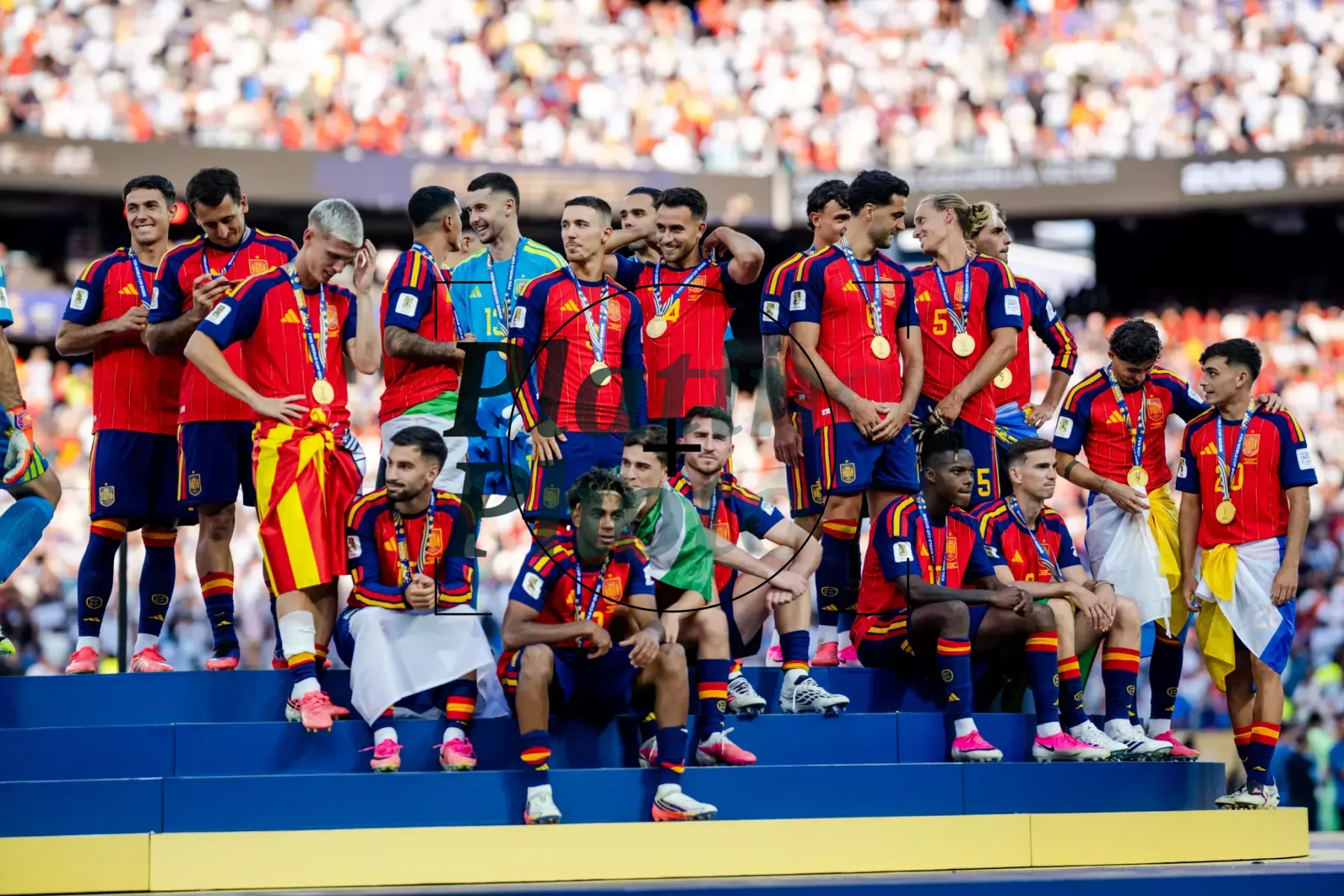
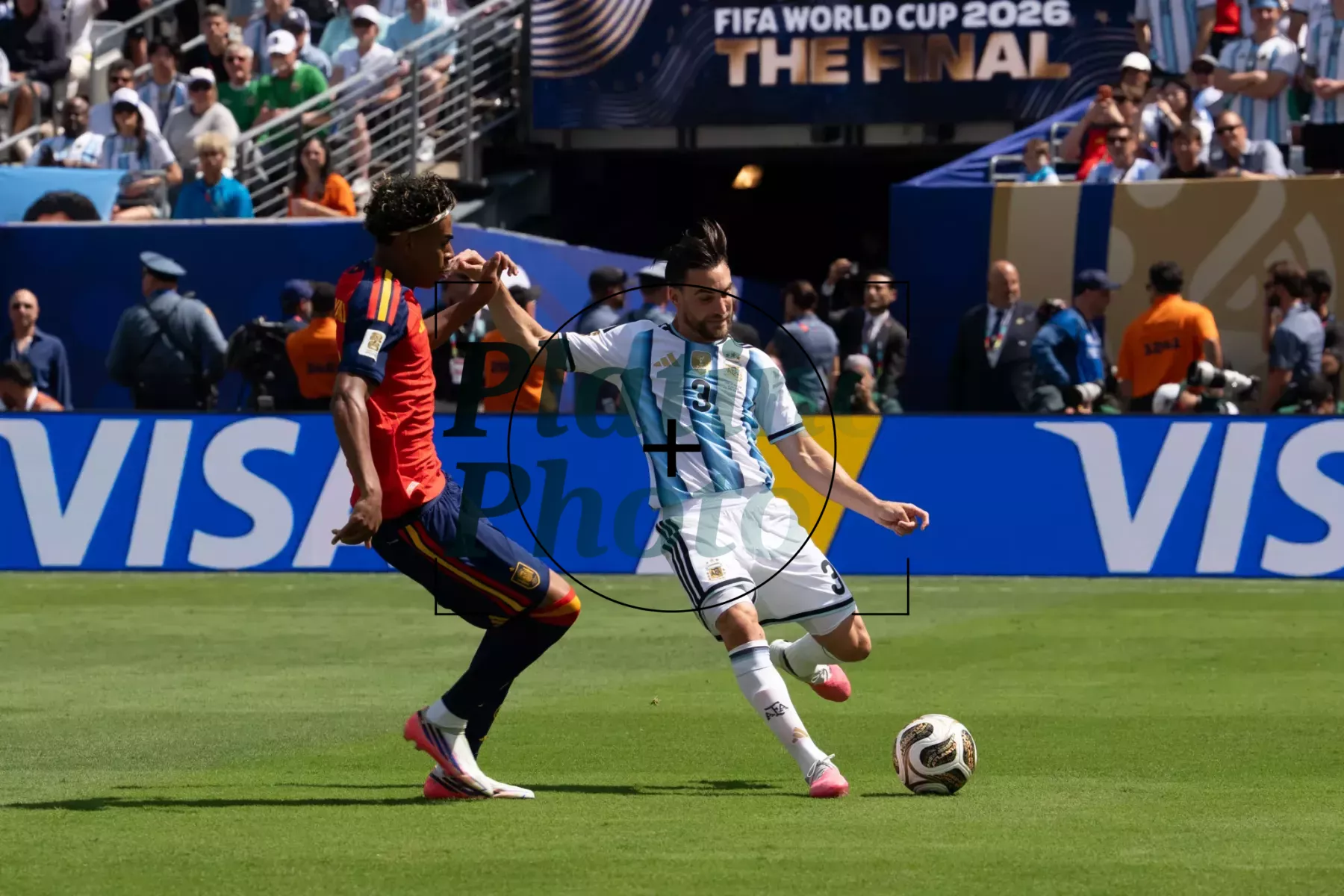
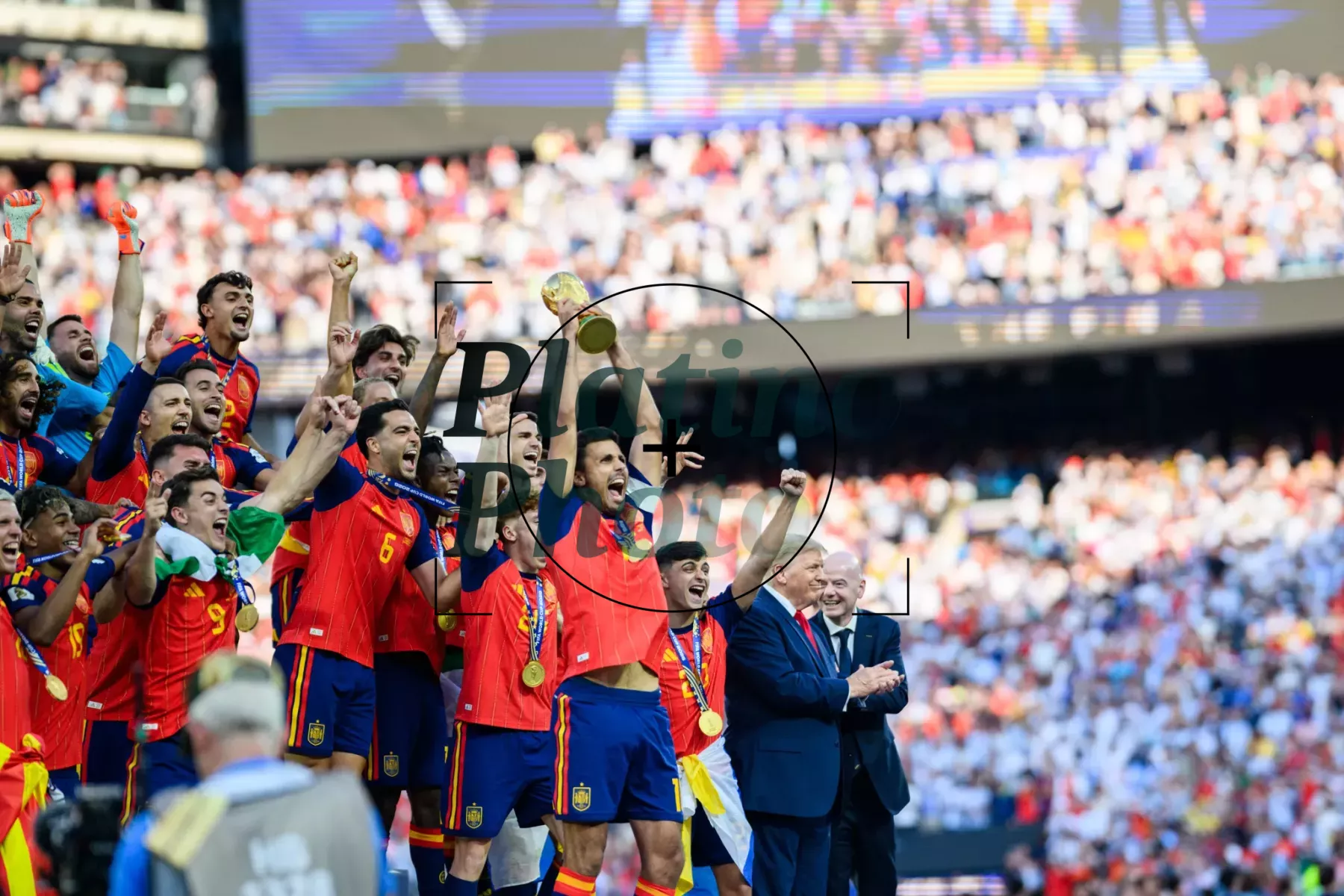
En una final tensa y de alto voltaje, la Selección Española se proclamó campeona del mundo tras imponerse a Argentina por 1–0 en la prórroga. Un gol decisivo en los minutos extra desató la euforia de un equipo que supo sufrir, leer el partido y golpear en el momento justo.
El desarrollo del partido
El encuentro fue una batalla táctica desde el pitido inicial. Argentina buscó imponer su presión alta y su juego directo en transiciones, mientras España respondió con posesión paciente y búsqueda de espacios por las bandas. Las ocasiones claras escasearon en los 90 minutos reglamentarios: ambas defensas se mostraron sólidas y los porteros, determinantes.
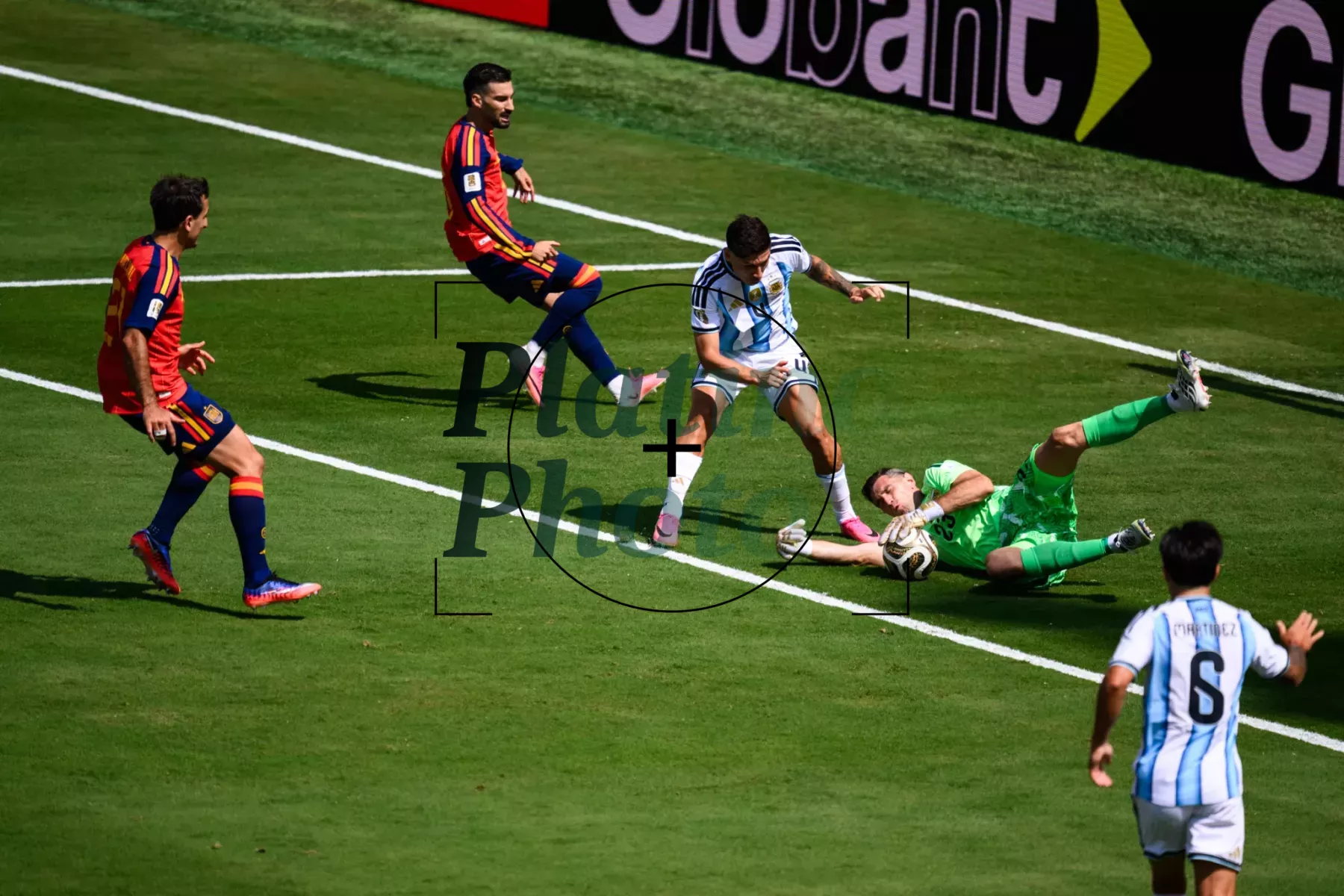
En la segunda mitad la intensidad subió: Argentina tuvo dos aproximaciones peligrosas que obligaron a intervenciones decisivas del guardameta español; España, por su parte, generó peligro con combinaciones rápidas en tres cuartos que no encontraron remate limpio. Con el marcador en blanco se llegó a la prórroga, donde la frescura física y la lectura táctica marcaron la diferencia.
El gol que decidió la final
En el minuto 112, tras una recuperación en campo propio, España lanzó una transición vertical que culminó con un centro medido desde la derecha. Ferran Torres conectó el balón con el pie en el segundo palo, dirigiendo un remate preciso al fondo de la red. Fue un tanto de oportunismo y ejecución fría que rompió la resistencia argentina y dio a España su segundo título mundial.
Figuras del partido
- Portero español: varias paradas clave que mantuvieron el empate y sostuvieron al equipo en los momentos de mayor presión.
- Mediocampo español: controló los tiempos y supo contener las llegadas rivales, sacrificando juego ofensivo por equilibrio.
- Defensa argentina: firme y ordenada, obligó a España a buscar soluciones por fuera y a trabajar cada ataque.
Declaraciones destacadas
“Esto es para todo el país. Hemos trabajado juntos durante años y hoy se ha visto el fruto.” — Capitán de la selección española.
“No fue fácil, sufrimos, pero el equipo creyó hasta el final. El gol llegó en el momento justo y ahora toca disfrutar.” — Autor del gol.
“Orgulloso de los jugadores. Supimos adaptarnos al plan y competir hasta el último segundo.” — Entrenador de España.
“Duele perder así, pero dimos todo. Felicito a España; ahora toca levantarse y aprender.” — Jugador argentino.
Significado y cierre
La victoria de España en la Copa Mundial de la FIFA 2026 supone la confirmación de un proyecto deportivo sólido, basado en equilibrio colectivo y capacidad para competir en los grandes escenarios. Para Argentina, la derrota es un golpe doloroso, pero también una muestra de que la final se decidió por detalles mínimos.
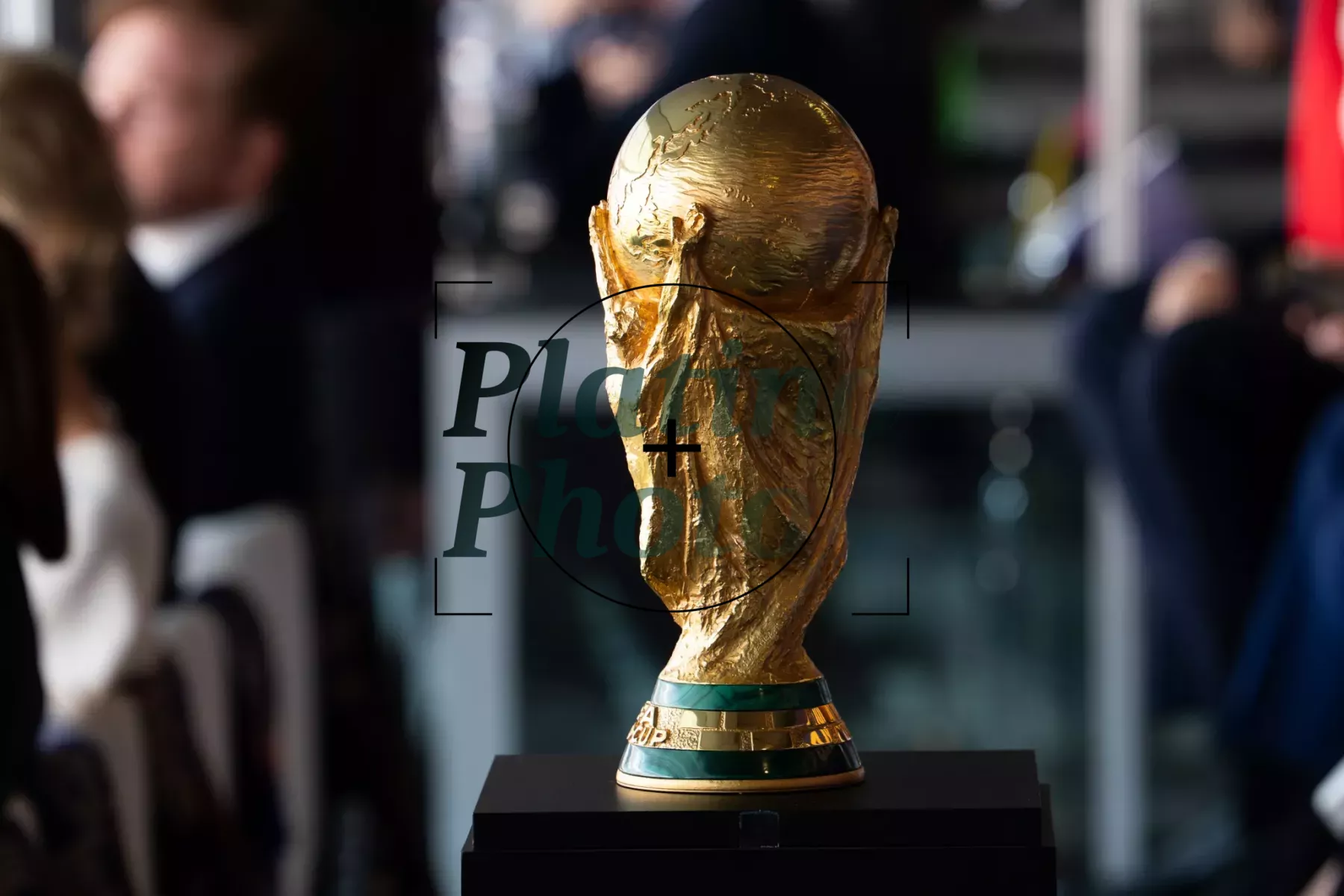
En el MetLife Stadium se vivió una noche histórica: la emoción de los jugadores, el llanto de los aficionados y la imagen de la selección levantando el trofeo quedarán como una de las postales más memorables del fútbol contemporáneo.
FIFA World Cup 2026 Final: Spain 1 Argentina 0 (after extra time)
MetLife Stadium, New Jersey — July 2026. In a final defined by tactical discipline and nerve, Spain were crowned FIFA World Cup 2026 champions after a 1–0 victory over Argentina in extra time. A single, decisive moment in the 112th minute separated two teams that had spent 120 minutes cancelling each other out.
Match narrative
The game opened with Argentina pressing high and trying to force turnovers in Spain’s build‑up. Spain responded with measured possession, probing patiently down the flanks and looking for diagonal switches to unsettle the Argentine back line. Clear chances were scarce in the first half as both defences remained compact and goalkeepers were rarely tested.
The second half saw an increase in tempo. Argentina created two dangerous openings from quick transitions, but Spain’s goalkeeper produced crucial saves to keep the score level. Spain’s best moments came from coordinated overloads on the right, yet the final pass or finish was repeatedly denied by a disciplined Argentine defence. With the score still 0–0 after 90 minutes, the match moved into extra time where fitness and concentration would prove decisive.
The decisive moment
In the 112th minute, Spain won the ball deep in their own half and launched a swift vertical transition. A precise long pass split the midfield, a winger carried the ball into the right channel and delivered a low cross to the far post. The goal scorer met the ball with a composed header that beat the Argentine keeper and found the net. The strike was the product of timing, spatial awareness and clinical execution — the single moment that decided the final.
Key performers
- Spain goalkeeper: Several key saves at critical moments, a steadying presence that kept Spain in the game.
- Spain midfield: Controlled tempo and limited Argentina’s most dangerous runners, sacrificing flair for balance.
- Argentina defence: Resilient and organised, they frustrated Spain for long periods but were ultimately breached in extra time.
- Match winner: Opportunistic and composed in the box, his finish will be remembered as the moment that delivered the trophy.
Selected player and coach quotes
“This is for the whole country. We believed from day one and we fought together until the end.” — Spain captain.
“I just reacted. The team did the hard work; I was lucky to be in the right place at the right time.” — Spain goal scorer.
“We prepared for a match like this: disciplined, patient and ready to suffer. The players showed character.” — Spain head coach.
“It hurts to lose in this way. We gave everything and we will learn. Congratulations to Spain.” — Argentina player.
Tactical takeaway and significance
The final was a study in margins: defensive organisation, timely interventions and a single moment of attacking precision decided the outcome. Spain’s blend of collective structure and tactical patience paid off, delivering their second World Cup title and reaffirming a long‑term project built on balance and resilience. Argentina leave with the disappointment of a narrow defeat but with the knowledge that the final was decided by the finest of margins.